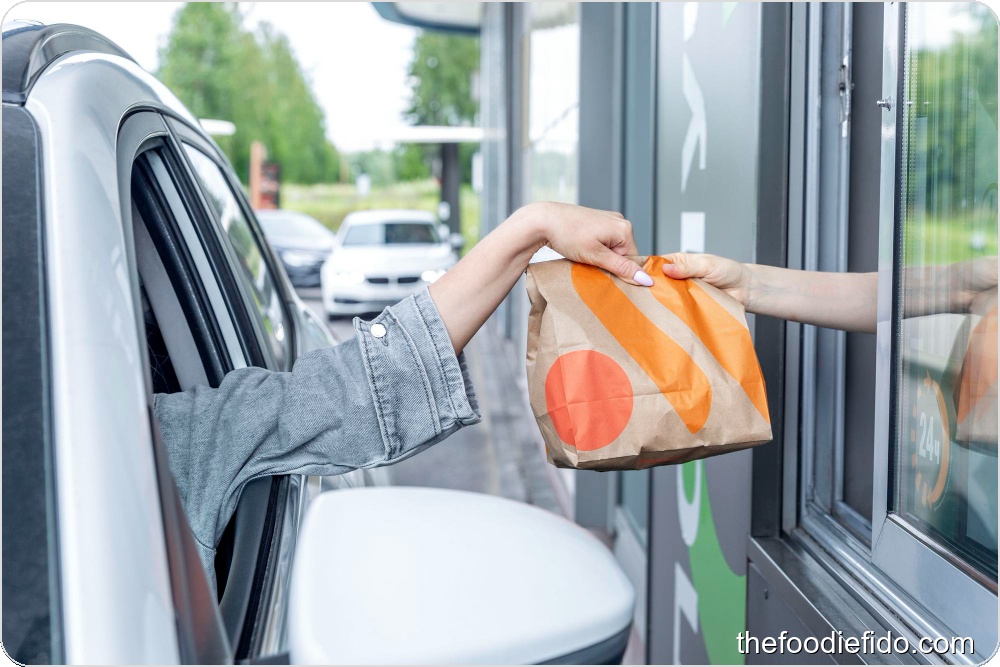
We love fast food at our house. It’s not the healthiest choice, but with two small kids, a spouse, jobs and a household to keep running, convenience often wins. The surprising part is how rarely we actually go inside. Instead we sit in the drive‐thru line and inch forward. To some that looks like madness — why wait in a line when you could park, walk in and be served faster?
The short answer is that the calculus changes once you factor in little children. What feels like wasted time to a childless friend is actually a deliberate strategy that saves energy, stress and time overall.
What makes going inside so hard?
Getting two small kids out of the car is its own production. First you have to unbuckle them from their car seats. My younger daughter rarely stays put; she hops around the back seat and escaping her grip feels like trying to catch a butterfly. When I finally get her out, I’m often holding her with one arm while carrying my son with the other. He still doesn’t walk steady, so he needs real support.
Then there’s the restaurant itself. Standing in line means watching your kids the whole time so they don’t grab other people’s trays, pull napkin dispensers off counters, or take off down the dining room.
The risk of them annoying other diners is real. When your order finally arrives you still need to find a table, settle the kids, distribute food and manage inevitable spills. Something will almost always fall on the floor, tip over, or get smeared across a shirt.
After the meal you have to change them again if needed, get them back into their car seats and strap everything in. That whole sequence can easily take 30 minutes or more.
Why the drive‐thru is actually faster and more practical
By comparison, even if the drive‐thru line looks long, the process usually takes 10 to 15 minutes. The kids can stay buckled the whole time, so there’s no unhooking, wrestling or risk of a runaway toddler. We don’t have to hunt for a clean table or monitor every movement. If something spills in the car, it’s a contained clean‐up versus a public scene. Once the food arrives we’re ready to go — literally — and can eat at home where there’s room to spread out and fewer eyes watching our kids.
Drive‐thrus also give us control over timing. If a child needs a diaper change, a nap, or a quick breather, we’re already in the car and can postpone or reorient without the hassle of packing everyone back into seats and out of the restaurant.
The parent perspective
People who don’t have kids often don’t see the invisible overhead that parenting adds to simple tasks. For us, the obvious faster option inside the restaurant comes with multiple hidden costs: unbuckling, supervising, finding a seat, calming upset kids and cleaning up in public. Those costs make the drive‐thru the better, calmer choice most days.
I remember a friend saying, “Just park and go inside — you’ll get your food faster.” She was right in the narrow sense, but she doesn’t ferry small children around, so she couldn’t appreciate the tradeoffs. Until you’ve negotiated a preschooler, a wiggly toddler and a tray of fries in a busy dining room, the math won’t add up the same way.
Practical takeaways
If you’re new to parenting or occasionally responsible for small children, consider that convenience choices aren’t always about raw speed. They’re about predictability, safety and reducing stress. The drive‐thru keeps kids buckled, avoids public messes and often shaves minutes off the whole outing.
When time is tight and you want fewer moving parts, drive‐thru is a perfectly reasonable strategy. It won’t replace home‐cooked meals, but it can keep your household running on the days when ease matters most.