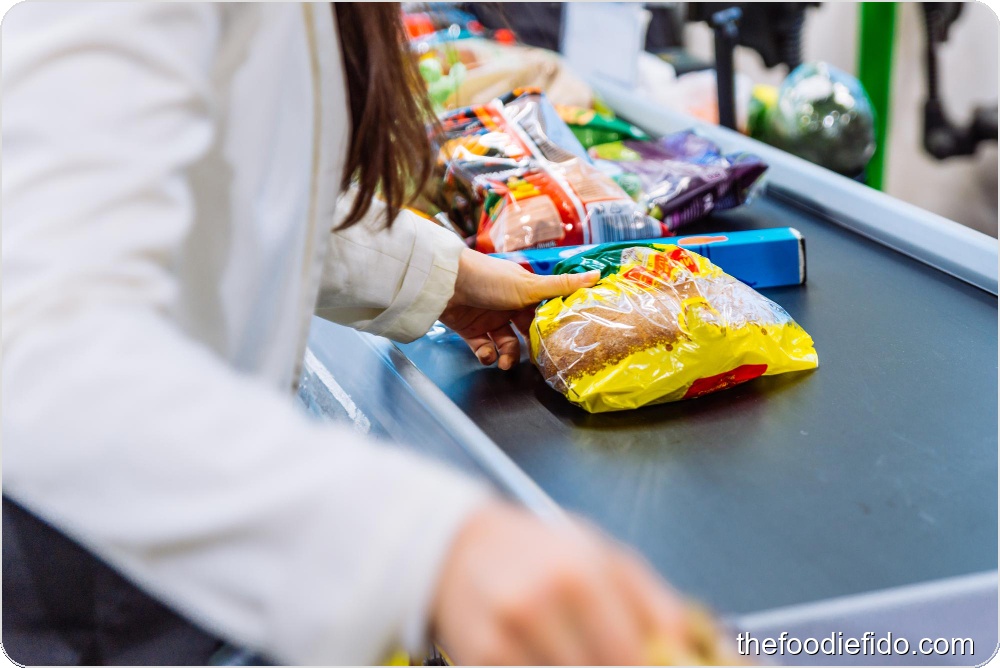
I set out expecting to shave a few dollars off my grocery bill. The drive from Nachod to Kudowa-Zdroj is barely more than an hour and roughly 60 kilometers, so a quick run across the border felt like a no-brainer. We arrived quickly and planned to visit two familiar chains: Biedronka and Lidl.
Rather than map out an exact shopping list, we improvised. I estimated prices by multiplying zloty amounts by five to get a rough feel for conversion and made snap decisions in the aisles based on what looked like a deal.
Where the savings did—and didn’t—add up?

Certain items were clearly cheaper. Still, plenty of products were priced the same as back home or even higher. Promotional leaflets showed discounts, but that is true of supermarkets everywhere. Several items we planned to buy weren’t available, and the substitutes on the shelf didn’t offer much value for the price.
To make the trip genuinely economical, you would need to buy in volume. Bulk purchases—stocking up on cigarettes for months, filling a chest freezer with meat, or loading up on long-lasting pantry staples—might justify the travel and effort. For ordinary weekly groceries that you plan to eat within a few days, however, the numbers do not add up.
I also didn’t notice any consistent improvement in quality or taste compared with what I get at my local supermarket. The produce and packaged items were comparable, which made the extra hours on the road and the hassle of border shopping harder to justify.
That parking ticket that turned everything upside down
What pushed the trip from mildly disappointing to outright costly was a parking fine. The shopping center parking is advertised as free, but there is a catch: you must take a ticket and display it on the dashboard. We didn’t know about that rule and left without the ticket visible in the windshield.
That small oversight led to a fine that wiped out any marginal grocery savings and then some. A single missed step turned what might have been a break-even or slightly beneficial outing into an expensive lesson in local parking rules.
Is it worth it for most shoppers?
Cross-border shopping can be worthwhile in specific scenarios. If you consistently buy items in large quantities—bulk tobacco, meat that fills a chest freezer, or nonperishables you plan to store for months—the lower unit price can offset travel time, fuel, and other incidental costs.
For routine shopping, though, the trip rarely makes sense. Factor in travel time, fuel, and the possibility of extra charges like parking fines. Check product availability in advance when possible, and consider whether the time and effort are worth the potential savings compared with going to the supermarket near your home.
Final takeaway
My Polish shopping trip began with the hope of quick savings and ended with a reminder about planning and local rules. Some bargains exist, but they are selective and often require bulk buying to be meaningful.
For most weekly grocery needs, staying local is better for time, convenience, and overall cost. After this experience, I will think twice before turning a short drive across the border into an impromptu shopping expedition.