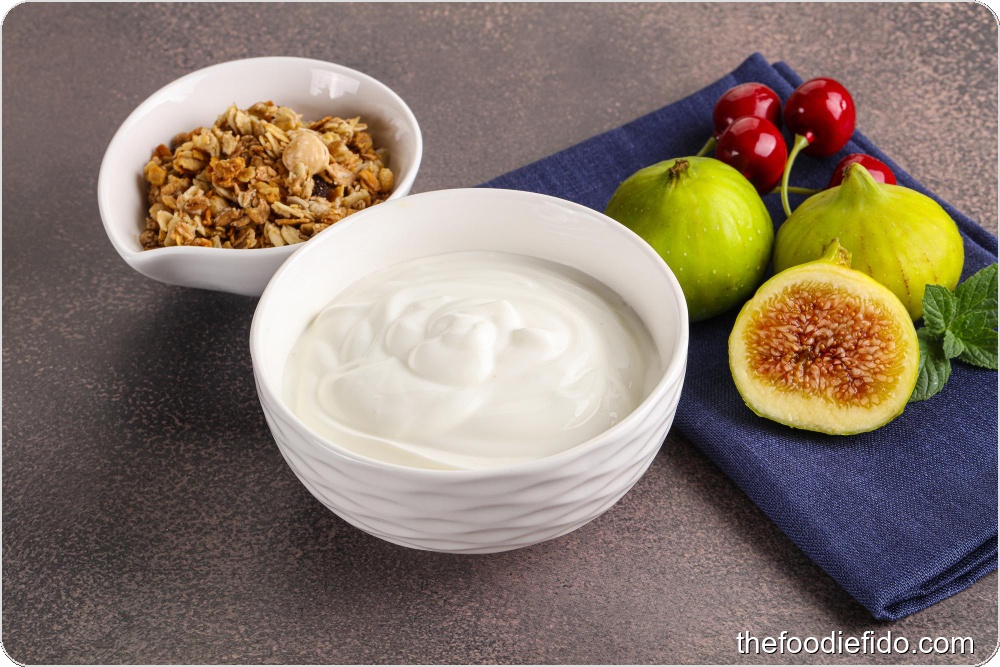
Skyr has been a staple of Icelandic diets for more than a thousand years. Increasingly available across the United Kingdom, Scandinavia, Germany, the Netherlands, Switzerland, the United States, Australia, Poland, and the Czech Republic, skyr looks a lot like Greek yogurt but is made from dried milk.
Although often compared to plain yogurt, skyr’s production method makes it closer to a fresh cheese. Traditional recipes use rennet, an enzyme that turns milk into curd. For mass production, manufacturers usually rely on starter bacterial cultures instead.
Skyr and weight loss
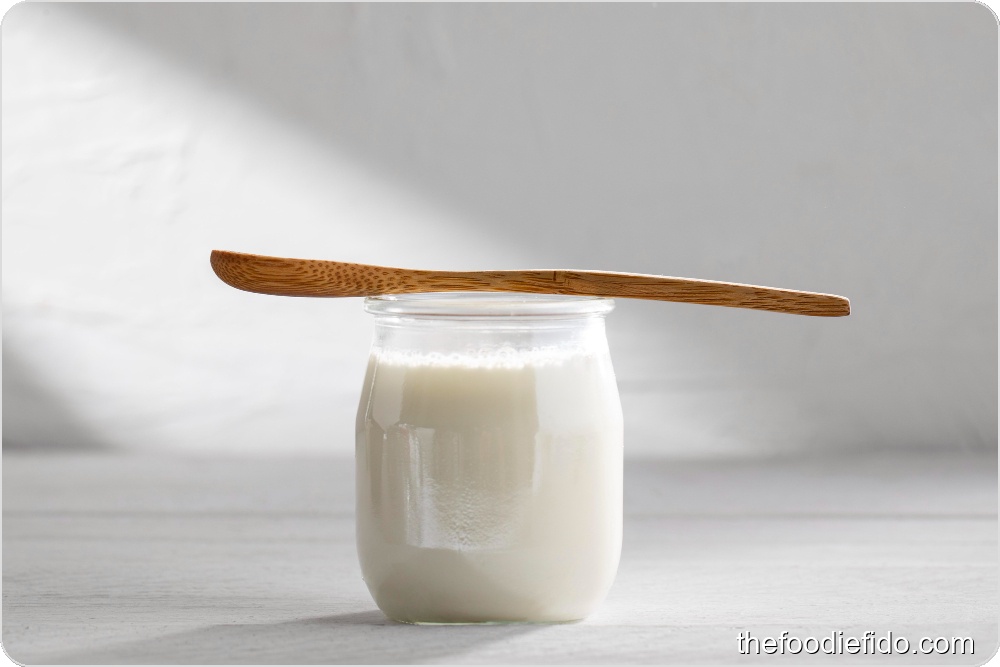
Visually similar to plain yogurt, skyr is a bit thicker. Many plain yogurts are made from whole milk; skyr is made from dried skimmed milk and therefore contains less fat and fewer calories.
Because it is low in calories yet filling, skyr is an excellent option for people focused on a lean physique and weight loss. When cutting calories, it’s important to choose foods with high nutritional value, and skyr is clearly one of them.
Skyr for metabolism and immune support
Skyr is produced from skimmed milk that is heated and inoculated with live bacterial cultures. Those live cultures support healthy gut flora.
Including skyr in your diet, especially during flu season, can help maintain a balanced intestinal environment. Proper metabolic processes and a healthy gut barrier are fundamental to overall health, and a well-maintained gut helps protect the body from viruses and bacteria.
Skyr for athletes
Skyr is popular with professional athletes and people who train regularly because it is extremely rich in high-quality, easily digestible protein.
Protein content is one of the key differences between skyr and Greek yogurt. Skyr contains about 11 grams of protein per 100 grams, compared with roughly 7 grams in the same serving of Greek yogurt.