
More people are choosing veganism for ethical, environmental, or health reasons. That shift can bring real benefits, but it also requires thought. A well-planned vegan diet supports energy, muscle, bone health, and overall wellness. Without planning, however, it can lead to gaps in key nutrients.
Balance the basics: protein, vitamins, minerals, and fats
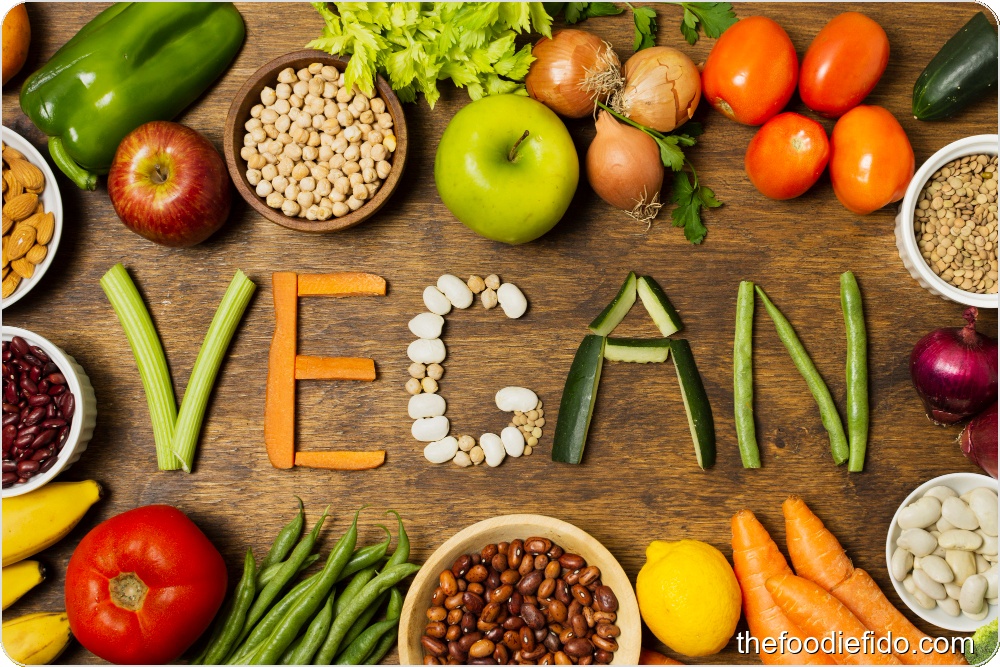
Switching to a plant-based diet means paying attention to a handful of nutrients that are easy to overlook. Make sure you get enough protein, vitamin B12, iron, calcium, and essential fatty acids. When these elements are covered, a vegan diet can support everyday health and exercise recovery just like any other well-constructed eating pattern.
Plant-based protein sources
Protein matters for muscle growth, repair, and satiety. Good vegan protein sources include lentils, beans, tofu, tempeh, seitan, nuts, and seeds. These foods also deliver fiber, minerals, and phytonutrients. Aim to include a variety of these foods across the day to meet total protein needs and to benefit from different amino acid profiles.
Vitamin B12: the one to watch
Vitamin B12 is primarily found in animal foods, and deficiency can have serious health consequences. Vegans should plan for reliable B12 intake through fortified foods or supplements. Regular testing can help ensure levels stay in a healthy range.
Iron and calcium: plant-friendly options
Iron and calcium are essential for healthy blood and bones. Many plant foods supply both, including leafy greens, tofu, fortified plant milks, and dried figs. To boost iron absorption from plant sources, eat vitamin C–rich foods alongside iron-containing meals. If you have heavy menstrual losses or other risk factors for deficiency, discuss testing and possible supplementation with your clinician.
Omega-3s from plants
Long-chain omega-3 fatty acids are often associated with fish, but vegans can get important omega-3s from flaxseed, chia seeds, hemp seeds, and certain seaweeds. These options provide alpha-linolenic acid, and algae-based supplements offer a direct source of DHA and EPA when needed.
Make whole foods the foundation
Focus on whole, minimally processed plant foods. They deliver fiber, vitamins, minerals, and beneficial plant compounds. Highly processed vegan products can be convenient, but many are high in sodium, added sugars, or saturated fats. Treat them as occasional choices rather than staples.
Move your body regularly
Diet and exercise go hand in hand. Regular physical activity supports cardiovascular health, muscle strength, and mental well-being. Whether you prefer walking, strength training, yoga, or team sports, consistent movement should be part of any healthy lifestyle, vegan or not.
Learn, connect, and adapt
Education about food combinations and nutrient sources pays off. Learn how to pair foods to improve nutrient uptake and explore recipes that keep meals satisfying. Community support is also valuable: swap recipes, tips, and meal ideas with other vegans to stay inspired and informed.
Keep up with health checks
Regular health screenings can catch nutrient shortfalls early. Routine blood tests for things like B12, iron status, and vitamin D are useful tools for tailoring your diet or identifying when supplementation is needed. Work with your healthcare provider for individualized guidance.
Final takeaway
Veganism can be a healthy, sustainable lifestyle when it is thoughtfully planned. Many people report improved health, more energy, and greater awareness of what they eat after adopting a vegan diet. Because individual needs vary, take a personalized approach: prioritize whole foods, monitor key nutrients, stay active, and consult a clinician when questions arise.