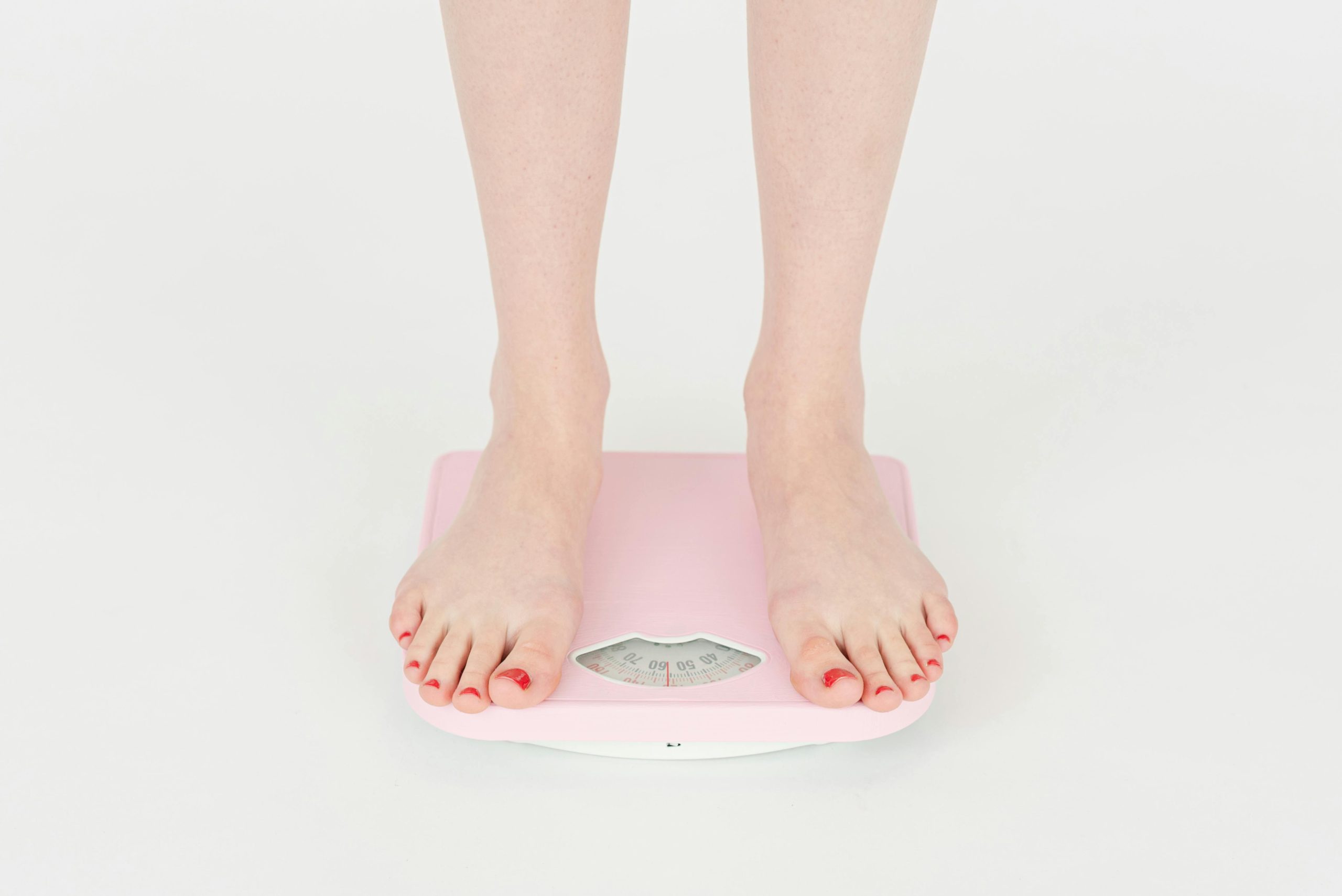
A few years ago, weight loss injections like Ozempic and Wegovy were mainly discussed by specialists. Now, they are a widespread phenomenon on social networks, praised for their rapid results.
But is achieving lasting weight loss truly as easy as it appears?
While effective, these drugs are not miracle solutions. Used without medical supervision or lifestyle changes, they can cause more harm than good. We will examine who these medications are for, how to use them healthily, and what risks they carry.
What are the drugs for weight loss, and what do we know?
As the name suggests, these medications are designed to help you lose weight. They are not empty promises, as clinical studies have proven their effectiveness. Obesity clinics confirm their effectiveness, and doctors routinely prescribe them. Because of this, they are called anti-obesity drugs.
Like other drugs, those to promote weight loss are not miracle pills that conjure a dream figure and endless satisfaction. It must be taken wisely, according to the rules, and with a warning regarding various risks.
In addition, they are not over-the-counter and must be prescribed by a doctor. Now, let’s look at what kinds of drugs for weight loss actually exist.
There are several types of drugs for weight loss with different mechanisms of action
Weight loss drugs can be divided into groups based on their action: some block fat absorption, others suppress appetite through brain pathways or by mimicking digestive hormones. Each group works differently in the body.
- Xenical (orlistat) blocks fat absorption from food.
- Mysimba (naltrexone-bupropion) reduces appetite by affecting brain centres.
- Saxenda (liraglutide), a GLP-1 agonist, reduces hunger and increases fullness by mimicking a digestive hormone.
- Ozempic and Wegovy (semaglutide) are GLP-1 agonists that suppress appetite. Ozempic is mainly for type 2 diabetes.
- Mounjaro (tirzepatide) mimics both GLP-1 and GIP hormones and is mainly for diabetes.
Most current attention centres on three groups of injectable incretin-based drugs: Saxenda (liraglutide), Ozempic and Wegovy (semaglutide), and Mounjaro (tirzepatide). These drugs act as incretin mimetics, targeting specific hormonal pathways to aid weight loss.
For whom are weight loss drugs suitable?
However, these drugs are not for everyone who wants to lose weight. Their use is reserved for people whose obesity or overweight presents a clear, significant health risk and who meet specific medical criteria. Let’s specify who qualifies for these therapies, according to medical guidelines.
- People with obesity (BMI > 30 kg / m2) .
- Those who qualify include overweight individuals (BMI > 27 kg/m2) with weight-related health problems, such as type 2 diabetes, high blood pressure, or high cholesterol, or people with obesity (BMI ≥ 30 kg/m2), as determined by a healthcare professional.
Obesity is accompanied by metabolic concerns. Similar to not taking blood pressure medication without indication, Ozempic or Wegovy are not recommended solely for cosmetic weight concerns.
These medications carry risks, and unsupervised use or dosing based on unverified sources presents significant hazards.
Why does weight loss with medication require special attention?
Ozempic and Mysimba are authorised for use under medical guidance. Some recent reports have portrayed these drugs as easy solutions. This perception may lead to unrealistic expectations, as these medications can also have disadvantages. It is important to be aware of their limitations and potential side effects.
Medication should be combined with a change in lifestyle, a balanced diet, and an appropriate calorie deficit to support effective and long-term weight loss.
Without these measures, use of Ozempic and similar drugs may be associated with dietary deficiencies, muscle loss, or other complications.
For sustainable and effective weight loss, it is advisable to follow a moderate calorie reduction, balanced nutrition, and physical activity. This maximises the possible benefits of medication and supports improvements in health.
Proper weight loss with drugs for weight loss step by step
1. Get advice
Drugs for weight loss do not belong to self-directed care, and therefore, the first and most important step is to consult a doctor. Only a specialist (obesity specialist, diabetes specialist) can assess whether pharmacological treatment is the right way and, at the same time, choose the most suitable type of medication.
Your doctor will take into account your general condition, check for any contraindications, assess whether you are ready for treatment, and choose the dosage of Ozempic and other medicines.
Check for nutrient deficiencies before beginning treatment. Address any deficiencies with diet or supplements to reduce risks during therapy.
Consult a nutritional therapist
Medications can reduce hunger, but cannot fix your diet. Ask a nutritional therapist for advice. They will help you adjust your diet and suggest lifestyle changes for long-term success and better health.
Do not neglect mental health
Losing weight is tough mentally, too. Success increases if your expectations are realistic and you are mentally ready. Many people with obesity also face depression or eating disorders. Sometimes, it is good to seek psychological support from the start.
2. Build the right diet
Medication helps reduce appetite, which is useful. But if you do not use this to improve your diet, you lose much of the benefit. Diet is essential in this therapy for several reasons.
- A quality diet will help to achieve and maintain a caloric deficit.
- At the same time, it is necessary for the preservation of muscle mass, which is at risk during rapid weight loss.
- Obesity usually leads to health problems. A well-balanced diet can help. It brings better metabolic health, benefits the cardiovascular system, and can improve cholesterol, blood sugar, or blood pressure.
Correctly adjust your calorie deficit
Drugs themselves will help to achieve a caloric deficit. By reducing appetite, suppressing the feeling of hunger, and even blocking the reward system in the brain and the pleasure of eating, it is much easier to consume fewer calories.
Even the best treatment cannot guarantee a constant calorie deficit. You still need a good reduction diet plan. This ensures that weight loss continues. Even with weight loss drugs, it’s possible to exceed your daily intake.
Beware of extremely low intake
At the same time, a proper energy deficit does not mean eating as little as possible. A strong suppression of appetite can lead to the fact that you eat too little, which is undesirable and dangerous to health.
If the body has an extremely low calorie intake for a long time, it threatens, for example, a lack of vitamins and minerals, excessive muscle loss, fatigue, and weakness.
Find a reasonable deficit and meet it with nutritious foods. This supports your health while you lose weight.
Ensure sufficient protein intake
During weight loss, sufficient protein intake is one of the main priorities, and in the treatment of anti-obesity drugs, this is doubly true. In the case of faster weight loss, you risk losing some of your muscle mass.
You should try to prevent this, and a high protein intake works as a weapon against muscle loss.
What is the appropriate protein intake? When losing weight with anti-obesity drugs, a daily intake of 1.2 – 1.5 g of protein/ kg of ideal body weight is recommended. This means the weight you would have at a BMI of 24, not the current overweight weight.
However, protein intake is of course individual, and some people may need more, even 2 g / kg. The need for it increases, for example, with greater physical exertion or the influence of certain diseases.
Good protein sources are lean meat, fish, legumes, dairy, eggs, or plant-based alternatives like tofu, seitan, and tempeh. You can also supplement with whey or plant proteins.
Observe the drinking regime
Sufficient hydration is necessary for any organism, but in the treatment of anti-obesity drugs, it acquires special importance. This is due, for example, to the fact that with GLP-1 agonist therapy, there is often a decreased sense of thirst.
This means that although your body needs fluids, your brain may not alert you to it. Therefore, it is necessary to adhere to the drinking regime even without being thirsty.
In addition, if digestive problems such as diarrhea or vomiting occur, a thorough drinking regimen is key to preventing dehydration.
How much to drink and what liquids to choose? It is recommended to take 2-3 litres of fluid daily. You can also follow the typical recommendation for 30 – 45 ml of fluid/ kg of optimal body weight. But remember that the needs are individual. If you are active in sports, have more muscles, or if the weather is hot, this need may be higher.
As for the choice of liquids, clean water wins. Unsweetened teas or mineral waters are also suitable. Avoid sweetened drinks and alcohol.
3. Move and sport
Remember that losing weight without exercise is not a good idea. Exercise is a must for weight loss, especially when taking weight loss medications. It has several important functions: promotes the maintenance of muscle mass, relieves constipation, which is often caused by anti-obesity drugs, makes it easier to achieve a caloric deficit, and improves mental health.
Choose the right activity.
The exercise you choose should be tailor-made. Ideally, it should help you promote fat loss as much as possible while protecting against muscle loss. Therefore, regular strength training is important.
Train at least 2 times, ideally 3-5 times a week. Exercise all the muscles. Do not forget about aerobic exercise (brisk walking, cycling, swimming, etc.), which supports the fitness and health of the cardiovascular system.
Timing the movement correctly
When treating anti-obesity drugs, it is equally important to exercise. Medications can make some people feel tired or nauseous, which can complicate workouts.
Therefore, carefully monitor the reactions of your body and plan your training for those parts of the day when you feel most energetic and in full force.
Do not forget about active regeneration. Light walks, yoga, or stretching will help the body recover and at the same time benefit your overall psychological health.
4. Take care of the psyche and control stress
The psyche and stress play a very important role in losing weight. While anti-obesity drugs help control appetite, they can’t solve psychological problems or chronic stress. On the contrary, they often make it worse. Therefore, it is necessary to take care of your mental well-being.
- Avoid drastic dieting. Even if the drugs suppress your hunger, too much restriction in food is burdensome for the psyche.
- Take care of sleep. Its lack and poor quality increase the level of chronic stress.
- Losing weight is a change in the whole lifestyle, which is a burden on the psyche. Do not be afraid to seek psychological support at the very beginning.
5. Be under the control of an expert
It’s not enough to just prescribe medication and then take care of yourself. Drugs for weight loss are usually intended for long-term use, so it is necessary to be constantly under the control of specialists.
The doctor (obesity specialist, diabetes specialist) should regularly monitor your overall health. This includes laboratory tests or blood pressure checks. This will not only capture possible side effects of drugs, but also improve your health due to weight loss. The nutritionist is able to advise on the adjustment of the diet on an ongoing basis.
What dietary supplements to take?
Do not be afraid to help yourself with dietary supplements. Smaller daily portions of food also mean poorer intake of vitamins, minerals, protein, fibre, and other important nutrients.
The best thing you can do is have your blood drawn and see which nutrients you are missing.
- Protein in the form of whey or vegan protein is a great aid when you want to prevent muscle loss.
- Fibre is a necessary part of the diet when losing weight with medications. You can reach for psyllium, glucomannan, or complex mixtures.
- Multivitamins and multiminerals are a simple way to get more vitamins and minerals per day.
- Vitamin D is especially useful in winter, when we lack sunlight.
- Omega-3 fatty acids are essential for health.
What are the risks of taking drugs for weight loss?
As we have already said, no effective treatment is completely without risks, and anti-obesity drugs are no exception.
Let’s look at the most common risks:
1. Nutritional deficits
When you are in a calorie deficit, you eat less food and therefore less vitamins and minerals. It easily happens that after some time of weight loss, the reserves in the bodies of some of them will be less than healthy. Therefore, it is important to eat a balanced diet full of nutritionally rich foods.
2. Loss of appetite
Ozempic, Saxenda, or Mounjaro work by reducing hunger and appetite. However, it usually happens that they go full steam ahead and reduce their appetite too much. After a while, nutritional deficits, significant muscle loss, and various health problems would occur. If you lose interest in food, you need to intervene immediately.
How to boost appetite?
- Spice up your food and give it a great taste.
- Be creative and look for new, interesting recipes.
- Try liquid foods, e.g., liquid meal replacements, protein drinks.
- Eat slowly and calmly.
3. Digestive problems
Digestive problems are one of the most common complications. Drugs that mimic the GLP-1 hormone slow down the emptying of the stomach. They can cause nausea, constipation, diarrhea, vomiting, and gastroesophageal reflux disease.
Problem Solving
- Nausea: Eat slowly and in small portions. Avoid fatty and spicy foods. Drink enough.
- Constipation: Increase fluid and fiber intake. Move regularly.
- Diarrhea: Increase fluid intake.
- Vomiting: Eat slowly and in small portions. Limit spicy and fatty foods.
- Reflux: Eat slowly and in small portions. Avoid foods that make your condition worse.
4. Muscle loss
With weight loss drugs that effectively suppress hunger, eat slowly and calmly. While rapid fat loss is desirable, it carries with it the risk of losing muscle mass. If you feel muscle loss: increase protein intake, add strength training, and consult with your doctor about the dosage.
5. Changing the relationship with food and psychological problems
Losing weight with anti-obesity drugs requires increased attention to mental well-being. Severe restrictions can lead to feelings of guilt or excessive control, potentially developing into eating disorders. Recently, there has been talk of a higher risk of depression and anxiety associated with GLP-1 agonists. People often describe these states with a feeling of dullness.
6. Weight return after withdrawal
After discontinuation of drugs for weight loss, weight gain may occur again, the so-called yo-yo effect. Therefore, it is important to make lifestyle changes during weight loss. In many cases, the use of drugs is calculated for a long time, as with other chronic diseases. If the medication is discontinued, it is easy to gain weight again due to problems with metabolism.
FAQs
When is it appropriate to stop treatment?
You need to stop taking medications, especially when they don’t work or have serious side effects. Doctors adhere to the rule of 12 weeks. When a person does not lose 5% of his original body weight during this period, treatment is considered ineffective.
Treatment must also be stopped if you experience unacceptable or persistent side effects.
What do you get out of it?
Weight loss drugs such as Ozempic, Wegovy, or Saxenda are an effective way to fight obesity. But only when they are used legitimately, correctly, and under professional supervision. If taken without medical guidance and lifestyle adjustments, they can cause unpleasant health problems.
If you adopt healthy habits, drugs can help you change not only the number on the scale, but also your relationship with the body and health.