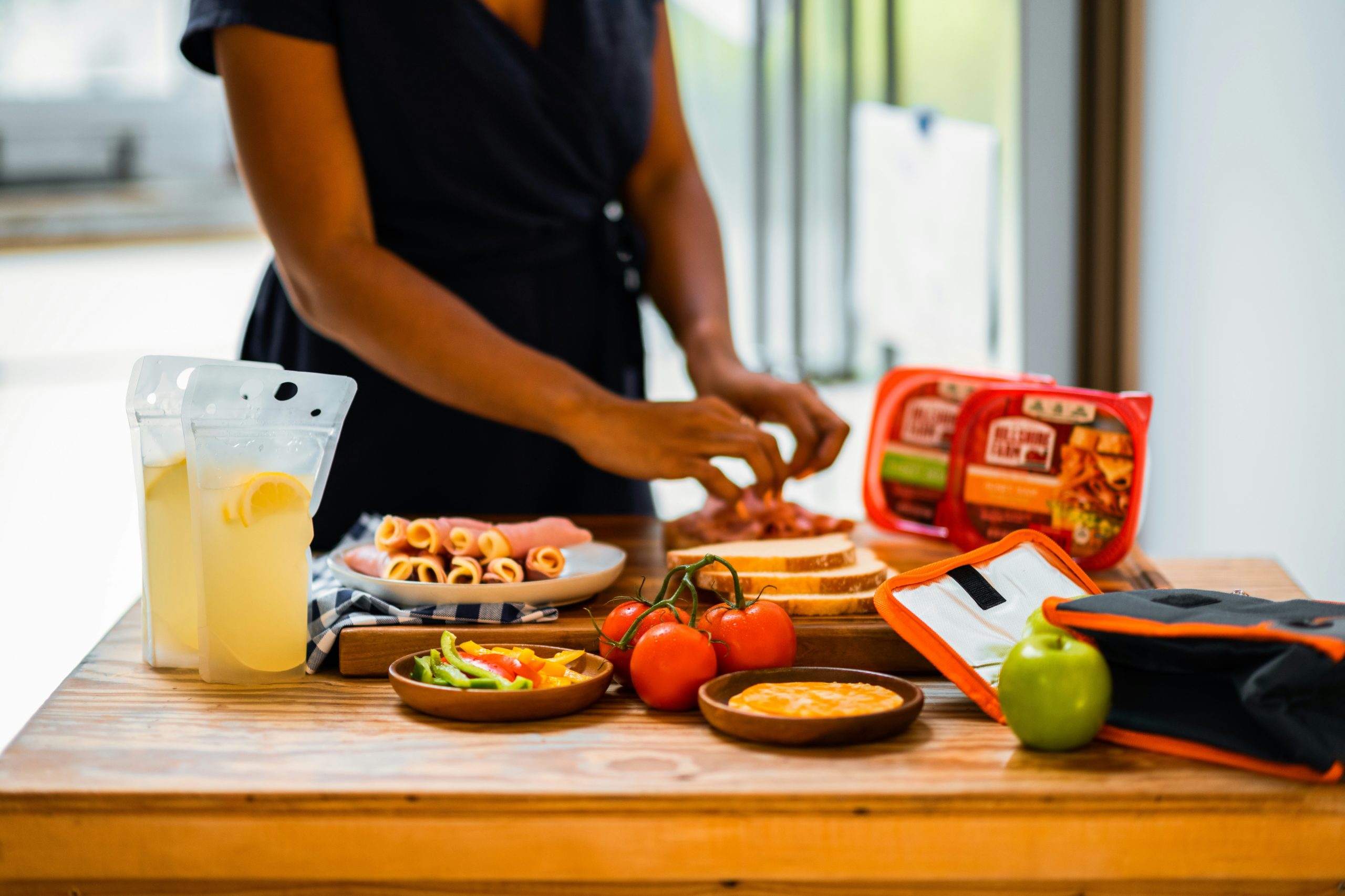
Planning meals helps you achieve goals, whether losing weight, gaining healthy weight, or maintaining energy. It also saves time and money by reducing indecision when hungry. Meal planning gives you control and supports your ideal figure.
We designed a weekly meal plan with five daily meals totalling around 2000 kcal, focused on supporting gradual weight loss or weight maintenance for people with sedentary jobs who are physically active several days a week.
You have the flexibility to change meals, swap meals throughout the day, or use the plan as inspiration. Adjust it to suit your preferences and needs.
Key benefits of preparing a box diet at home
Preparing food ahead requires organisation, but the benefits for your diet and goals are worthwhile.
1. Reach health goals: Structured meals boost weight loss success, healthy weight gain, or athletic progress. Home-cooked meals support better nutrition and weight control.
2. Save time and money: Prepare meals for several days in 1–2 hours on the weekend or midweek. Cook side dishes and proteins for 2–3 days. Later, just reheat, add vegetables, and eat. Home meals usually cost less than dining out.
3. Avoid unhealthy snacks: Ready meals reduce the chance of grabbing poor options when hungry.
4. Prepare food to your taste: Use preferred ingredients and try new spices and herbs.
5. Eat regularly: Prepped food prevents missed meals and later overeating. Routine supports weight loss and stable energy.
Diet for weight loss for a person with sedentary work
Valentina tried strict diets for years without lasting results. Now, she chooses a safer, sustainable way.
Valentina, 30, works at a bank. She now walks more, goes to the gym, and runs twice weekly for 30 minutes. She weighs 79 kg, is 175 cm tall, and has 27% body fat.
Valentina calculated she needs about 2021 kcal, 245 g carbs, 134 g protein, and 56 g fat for gradual weight loss. We matched these values in her plan.
Valentina eats five times daily, has no restrictions, and alternates protein sources. She preps her meals at home or for work to avoid spontaneous eating.
She now skips fast food and processed snacks, eating balanced meals every 2–3 hours and supporting her goals with adequate protein and fibre.
This diet is also suitable for men with sedentary jobs who exercise only occasionally and want to lose weight.
Sample Weekly Diet for 2000 Kcal
Valentina doesn’t need to perfectly match numbers daily. Staying close to targets over time brings progress.
Cooking, fibre, and digestion affect calories. Genetics and hormones also influence energy use.
Calculator values may not match intake for these reasons. Treat them as averages. Listen to your body and adjust as needed.
Plan amounts use raw ingredients. Final nutrition varies by composition.
Monday
- Total daily intake: 2030 kcal, 137 g protein, 241 g carbohydrates, 54 g fat, 40 g fibre.
- Breakfast: 5-grain porridge (50 g), protein (30 g), peanut butter (20 g), banana (100 g), calorie-free syrup (10 g).
- Snack: Greek yogurt (140 g), tangerine (100 g), crispy muesli (25 g).
- Lunch: Curry chicken breast (150 g), oil (5 g), rice (70 g), stewed vegetables in oil (150 g + 5 g).
- Snack: crispbread (40 g), cottage cheese (100 g), carrots (100 g).
- Dinner: Pasta (70 g), tuna (90 g), tomato sauce (150 g), rapeseed oil (10 g).
Tuesday
- Total daily intake: 2017 kcal, 132 g protein, 246 g carbohydrates, 53 g fat, 34 g fibre.
- Breakfast: Scrambled egg (1) + liquid egg (25 g), green beans (100 g), ghee (10 g), rye bread (100 g).
- Snack: chocolate Milkshake (1 PC.), grape wine (150 g).
- Lunch: Bulgur (70 g), tofu (150 g), stewed zucchini and tomatoes (150 g), olive oil (10 g).
- Snack: rice porridge (50 g) with protein (25 g) and raspberries (50 g).
- Dinner: Sardine spread (sardines 90 g, butter 10 g, mustard 5 g, onion, salt, pepper), rye bread (80 g), bell pepper (100 g).
Wednesday
- Total daily intake: 2028 kcal, 141 g protein, 239 g carbohydrates, 53 g fat, 32 g fibre.
- Breakfast: Overnight oats (oatmeal 50 g, yogurt 2.7% 50 g, protein 15 g, strawberries 100 g, dark chocolate 10 g).
- Snack: Plain Skyr (150 g), Protein granola (50 g).
- Lunch: Quinoa (70 g), tempeh (100 g), soy sauce/herbs, avocado (30 g), vegetables (150 g).
- Snack: Rice sandwiches (40 g), turkey ham (50 g), banana (120 g).
- Dinner: Whole grain tortilla (90 g), chicken (100 g), cheese 30% (50 g), tomato salsa (100 g).
Thursday
- Total daily intake: 2034 kcal, 133 g protein, 237 g carbohydrates, 53 g fat, 38 g fibre.
- Breakfast: Baked oatmeal (50 g), egg whites (25 g), protein (25 g), fruit (150 g), chocolate spread (20 g).
- Snack: kefir milk (250 ml), a mixture of dried fruits and nuts (40 g).
- Lunch: Baked salmon (125 g), green beans (150 g), sweet potatoes (300 g).
- Snack: protein cookie (75 g), pineapple (100 g).
- Dinner: Wholemeal toast (100 g), cottage cheese (50 g), tuna (90 g), mixed salad (150 g).
Friday
- Total daily intake: 2028 kcal, 135 g protein, 242 g carbohydrates, 53 g fat, 40 g fibre.
- Breakfast: Protein pancake mix (50 g), low-fat milk (100 g), oil (3 g), banana (120 g), almond butter (20 g), agave syrup (10 g).
- Snack: plain yogurt 2.7% (120 g), crispy muesli (35 g), Apple (150 g).
- Lunch: Turkey breast (150 g), broccoli (150 g), oil (5 g), buckwheat (70 g).
- Snack: crispbread (40 g), hard cheese 30% (50 g), bell pepper (100 g).
- Dinner: Wholemeal tortilla (90 g), seitan (100 g), fresh vegetables (150 g), yogurt dressing (yogurt 30 g, olive oil 5 g, herbs).
Saturday
- Total intake per day: 2012 kcal, 131 g protein, 244 g carbohydrates, 54 g fat, 40 g fibre.
- Breakfast: Omelette (egg 1, liquid whites 25 g, tomatoes, mushrooms, spinach 150 g), oil (5 g), whole wheat bread (100 g).
- Snack: Mug cake mix (50 g), low-fat milk (50 g), orange (120 g).
- Lunch: Rice noodles (70 g), chicken breast (150 g), soy sauce, corn and peas (50 g), oil (5 g).
- Snack: Cornbread (40 g), light cream cheese (20 g), turkey ham (50 g), carrots (100 g).
- Dinner: Leaf salad, light mozzarella (120 g), chickpeas (100 g), olive oil (5 g), rye bread (80 g).
Sunday
- Total intake per day: 2017 kcal, 136 g protein, 240 g carbohydrates, 56 g fat, 31 g fibre.
- Breakfast: Pancakes (spelt flour 60 g, baking powder, protein 25 g, egg 1, coconut oil 5 g), maple syrup (10 g), low-calorie jam (25 g).
- Snack: rice bread (40 g), hummus (20 g), tofu natural (80 g).
- Lunch: Roast beef (100 g), zucchini, bell pepper, red onion (150 g), ghee (5 g), potatoes (300 g).
- Snack: protein bar (60 g), Apple (150 g).
- Dinner: Tuna spread (tuna 90 g, mustard 5 g, cottage cheese 50 g, salt, onion), rye bread (100 g), tomatoes (100 g).
How to adjust your diet according to your needs?
You can switch your planned meals during the day, such as exchanging your morning snack for an afternoon snack or lunch for dinner.
The plan is flexible, so rearrange meals within your day as it suits your schedule, or include all meals in your selected eating window if practising intermittent fasting.
Change diet days as needed or repeat them for convenience. The plan is designed for flexibility. However, avoid eating the same foods every day to maintain variety and enjoyment.
To save time, prepare the same lunch and dinner for 2–3 days instead of new meals daily, if desired.
You don’t need to follow a strict meal order. For example, eat Monday’s meal on Friday. Substitute similar foods to match nutritional values when needed, such as swapping bulgur with rice or couscous.
When making changes, choose ingredients with properties similar to the original. For example, don’t swap plain cashews for chocolate-coated ones or low-fat yogurt for fruit cream.
These variants can vary in calories, protein, carbs, and fat, shifting your daily intake away from recommendations.
What foods have similar nutritional values?
- Cereals and pasta: rice, bulgur, couscous, quinoa, buckwheat, pasta, spaghetti, noodles.
- Flours: spelt, rye, buckwheat, rice, oat, whole wheat.
- Porridge (without added sugar, fat, and other ingredients): oat, rice, millet, buckwheat, corn, quinoa.
- Pastries: rye, spelt, whole wheat, buckwheat.
- Durable pastries: rice, corn, or Graham bread, crispbreads.
- Legumes: lentils, peas, chickpeas, beans.
- Fresh low-calorie fruits: raspberries, strawberries, blueberries, blackberries, and other forest (berry) fruits.
- Fresh fruits of medium calorie content: orange, mandarin, grapefruit, pomelo, kiwi, apple, pear, peach, apricots, nectarine, and plums.
- Fresh fruits with a slightly higher calorie content: banana, grapes, figs.
- Fresh vegetables: tomatoes, cucumbers, zucchini, bell peppers, green beans, spinach, and other leafy vegetables. Carrots, corn, beets, and green peas have a slightly higher caloric value.
- Potatoes, sweet potatoes, and Jerusalem artichokes.
- Oils and fats: rapeseed, olive, sunflower, coconut, ghee, flax, avocado, pumpkin.
- Nuts and seeds (unroasted, unflavoured): almonds, peanuts, cashews, Brazilians, macadamia, pistachios, walnuts, hazelnuts, etc.
- Nut butters (100% content of nuts, without sugar and other ingredients): peanut, cashew, almond, etc.
- Meat: white lean meat: chicken, turkey breast, rabbit. Red lean meat: pork rump or tenderloin, beef rear, veal, roe deer, boar.
How to increase or decrease the caloric value of the diet?
The specified diet is set to + – 2000 kcal, but if this value does not suit you, you can adjust it. In a simple way to do this, they represent snacks that have an average content of 250-300 kcal.
For example, when you need to reduce the caloric value by 250-300 kcal, you simply skip the morning or afternoon snack (or leave both, but reduce their weight in half).
Otherwise, when you want to add 250-300 calories, you can give yourself twice the amount of some of the snacks or an extra second dinner, which will be the ingredients and their quantity corresponding to the recommended snacks.
How to measure progress?
The ideal pace of weight loss is considered to be a loss of 0.5-1 kg of body weight per week. However, in the case of higher overweight or obesity, the weight typically decreases faster in the first phase of weight loss.
In addition to weighing, it is also a good idea to take progressive photos and measure the girth of the waist, hips, buttocks, and thighs. Thanks to this approach, you will get a much better idea of how you are doing.
Try to do all weighing and measuring at the same time of day and under similar conditions (after visiting the toilet, ideally in your underwear, measuring in the same place, etc.). Write it all down on your computer or in a paper journal.
From time to time, you can also take more detailed measurements, for example, on the InBody device, which will evaluate the amount of fat, muscle, and water in your body in addition to your body weight.
This will give you a better understanding of the changes that are taking place in your body. In some cases, the weight does not decrease. This is because at the same time, there was a reduction in fat and an increase in muscle mass. Thanks to this, the total % of fat in the body decreased, which is an important indicator for both the appearance and health of a person.
What to do if you do not get results?
In the event that, even after several weeks of strict adherence to the diet, training, recovery, and everything else, you do not notice any results, you will have to change something. But don’t make any radical cuts, such as cutting calories in half, including detox or trying a drastic diet.
These approaches are not a guarantee of lasting results and can even endanger health in the long run.
You’re not losing weight because you’re not currently in a calorie deficit. Your energy expenditure is equal to or less than your income, so you weigh the same or gain slightly. You can change this by adding sports activities or moving around during the day.
How to increase energy expenditure with normal activities and promote weight loss?
- Try to walk more during the day (on the way to work, to training).
- Include more active breaks at work or school (walking, fast stretching).
- Go shopping on foot.
- Take a walk during a longer phone call.
- Use the stairs instead of the elevator.
- On the weekend, instead of relaxing all day on Netflix, go on a trip.
Thanks to these simple tips, you burn more energy per day, you can easily get into a calorie deficit, and lose weight. If you move a little more, you do not have to eat as much food for weight loss. In addition, you will support your health.
What do you get out of it?
Planning a diet and preparing meals in advance in the form of packaging is a great step on the way to a dream figure. In the end, you will save a lot of time, money, and thinking about what to cook.
You can plan your diet a week in advance and be inspired by our sample diet. It is easy to adjust and adapt to your needs. Then just follow the progress and change the plan as needed. Sooner or later, you will reach your goal.