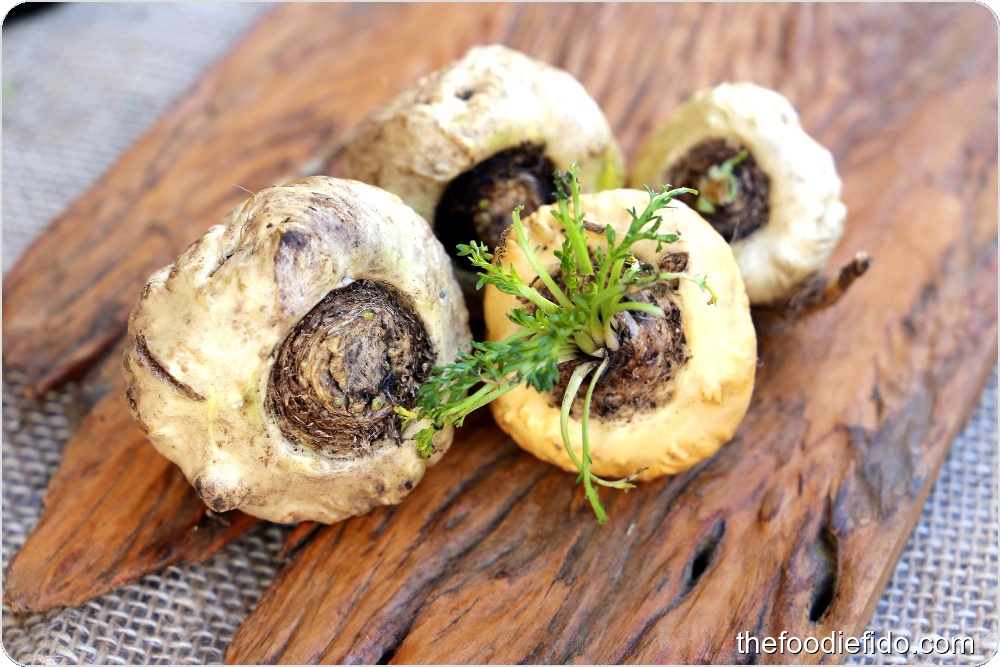
Maca is a plant native to the high Andes of Peru, where locals have eaten its bulb for generations. Often called maca root, its botanical name is Lepidium meyenii, and it’s commonly compared to ginseng in Peru. The edible part is not a root in the strict sense but a bulb that comes in red, black, or yellow varieties.
Traditional Andean diets include maca daily. The bulb is typically boiled, roasted in embers, or dried for storage.
How do people use maca?
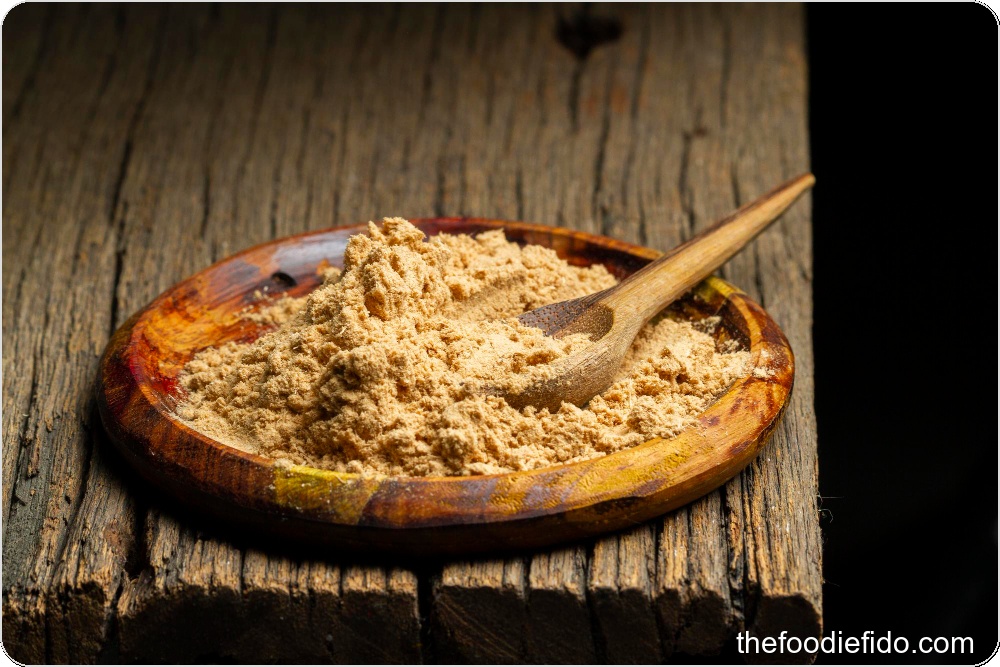
Maca appears in several forms: whole bulbs, powder, and a fermented beverage known as maca chicha, which is growing in popularity worldwide. Maca powder has a nutty, sometimes earthy flavor with caramel notes.
In folk medicine, maca is most often used to boost libido in men and to support energy during periods of exhaustion or chronic stress.
Nutritional profile and active components
Maca powder supplies fiber and amino acids, plus minerals such as sodium, calcium, copper, and zinc. It also contains polyphenols, saponins, tannins, glucosinolates, plant sterols, and polyunsaturated fatty acids.
Potential health effects
Maca is credited with several traditional benefits. It is used to support sexual desire in men and is thought to promote healthy cell function. Some folk sources also describe anticancer properties.
The bulb is used to help prevent osteoporosis, making it a common recommendation for older adults. It may also ease symptoms of depression and anxiety associated with aging. Maca is reported to help harmonize blood pressure and regulate blood sugar levels. Because of its stimulating qualities, people often use maca during dieting or when dealing with weakness, prolonged fatigue, or stress-related exhaustion.
Who should avoid maca?
Maca preparations are intended for adults only. They are not recommended for pregnant or breastfeeding women. People with thyroid disease should avoid maca, as should individuals taking medication for high blood pressure.