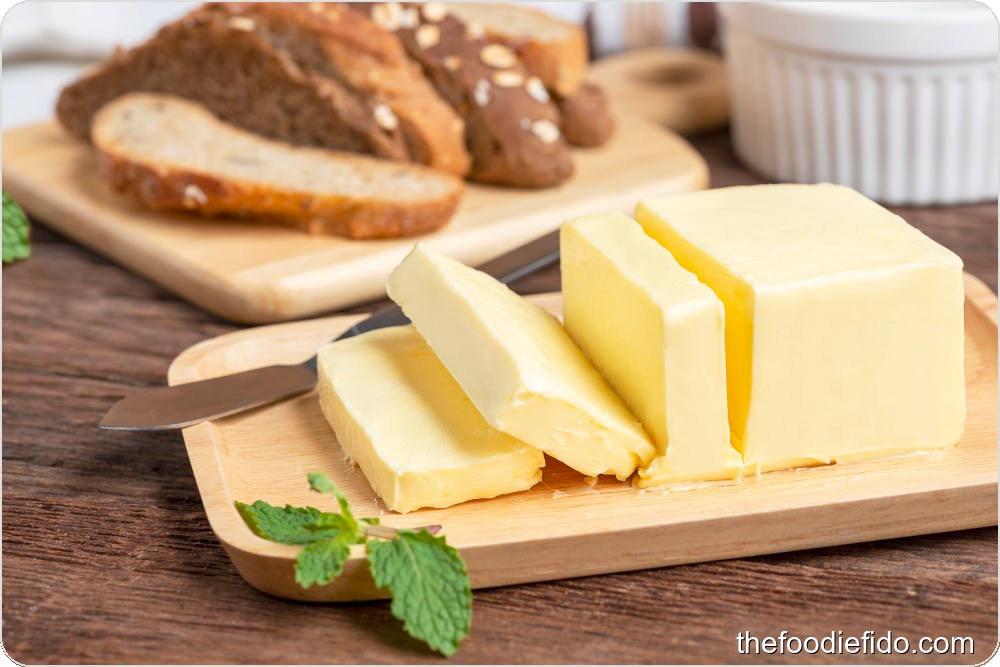
Look at the color and smell
Start with the basics. High-quality butter typically has a soft, creamy color. When butter looks much deeper yellow, it usually contains more carotenoids, which can change the hue and flavor profile.
Smell is equally important. Fresh butter should have a mild, milky aroma. A strong or off odor is a red flag that the butter may be spoiled or past its prime.
Taste and texture tell the story
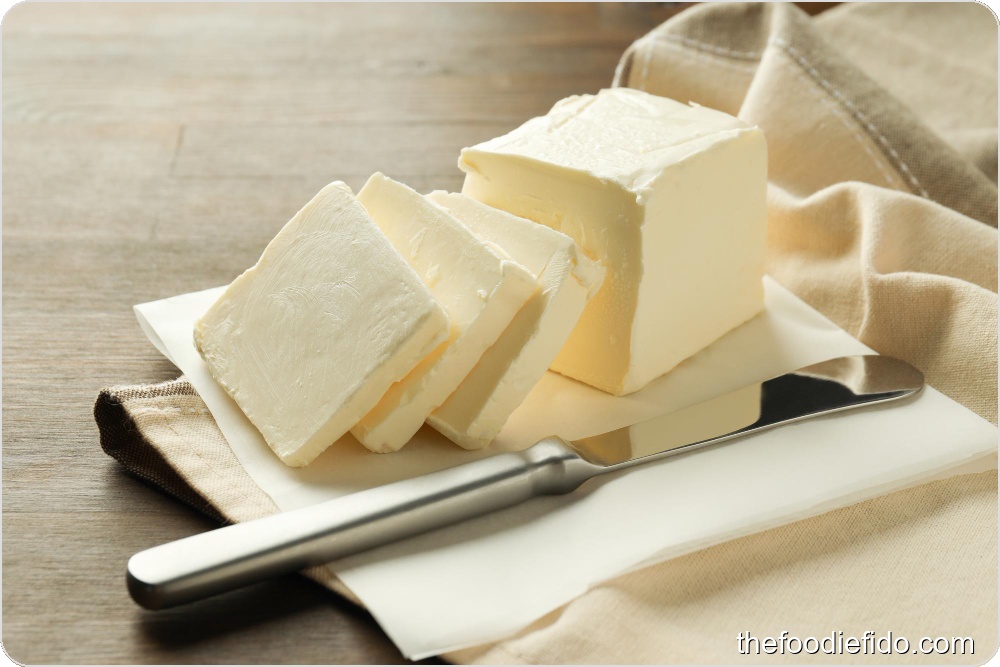
Good butter tastes rich, creamy, and gently milky. A bitter flavor means the product has gone bad and should not be eaten.
If the butter is unsalted, it should not taste noticeably salty. That can be a sign to try a different brand next time.
Texture matters: top-quality butter should spread smoothly and easily on bread without tearing it.
Consider how it was made
Traditional, high-quality butter is made from cow’s milk using gentle processing methods. Butter from cows that graze on pasture can have a more pronounced color and flavor.
Pasture-raised milk can also boost the butter’s nutritional profile, because that milk tends to contain higher levels of beneficial fats and fat-soluble vitamins.
Check the package for certifications
Look for reputable labels on the wrapper. An organic label is a clear indicator that the butter was produced without synthetic pesticides, fertilizers, or unnecessary chemical additives.
Organic certification also signals that the milk likely came from cows raised in more natural, pasture-based systems. When available, choosing organic is a simple way to raise your odds of getting a cleaner, more responsibly made product.