Why freshness matters?
Eggs can lose their freshness even when stored in the refrigerator, and eating a spoiled egg can cause serious illness. Regularly checking eggs before you cook or crack them open is an easy habit that can prevent foodborne upset.
Start with the carton. Every store-bought package carries a sell-by or expiration date you can use as a guideline. If you get eggs from backyard hens or a farmer without a date, don’t worry—there are quick, reliable tests you can do at home.
The water float test
This simple science experiment is a favorite for kids and adults alike. Fill a bowl or tall glass with cold water and gently lower the egg in.
If it sinks to the bottom and lies flat, it’s fresh. If it tilts upward or floats toward the surface, the egg is older. A floating egg has likely lost enough moisture and formed a larger air pocket, so do not eat it.
Check the shell
Inspect the shell visually and by touch. Fresh eggs typically have a smooth, slightly glossy shell. Older shells may look dull or show discoloration and spots. A grayish or oxidized appearance means the egg has been stored too long and should be discarded.
Use your nose
Smell is one of the most reliable tests. Fresh eggs have little to no odor. Spoiled eggs give off a strong, unpleasant sulfur smell that is obvious as soon as you crack them open. Sometimes you can even detect an off odor through the intact shell.
Look at the yolk and white
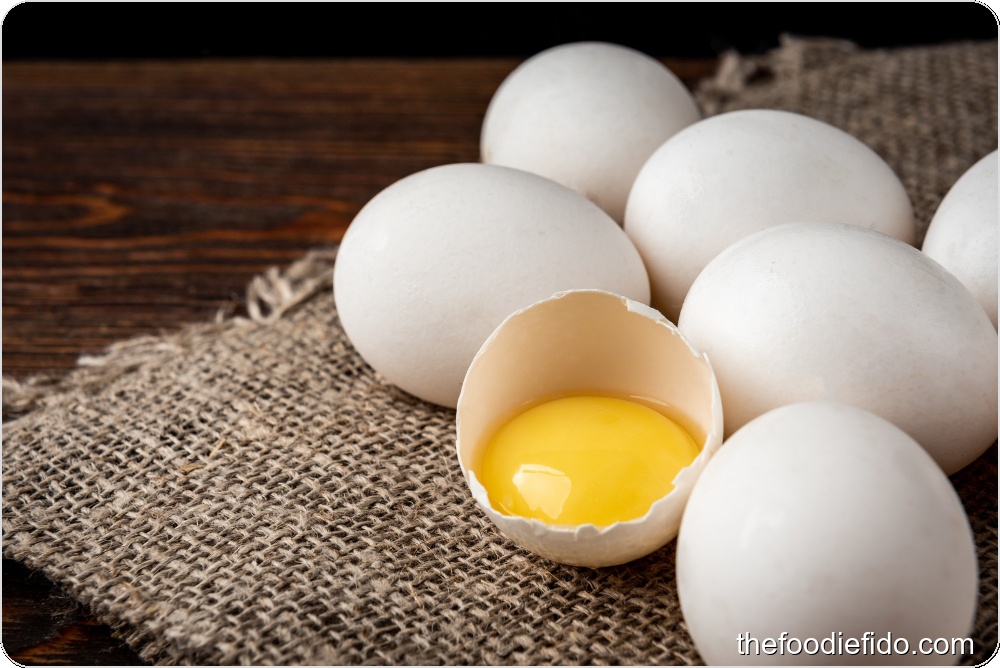
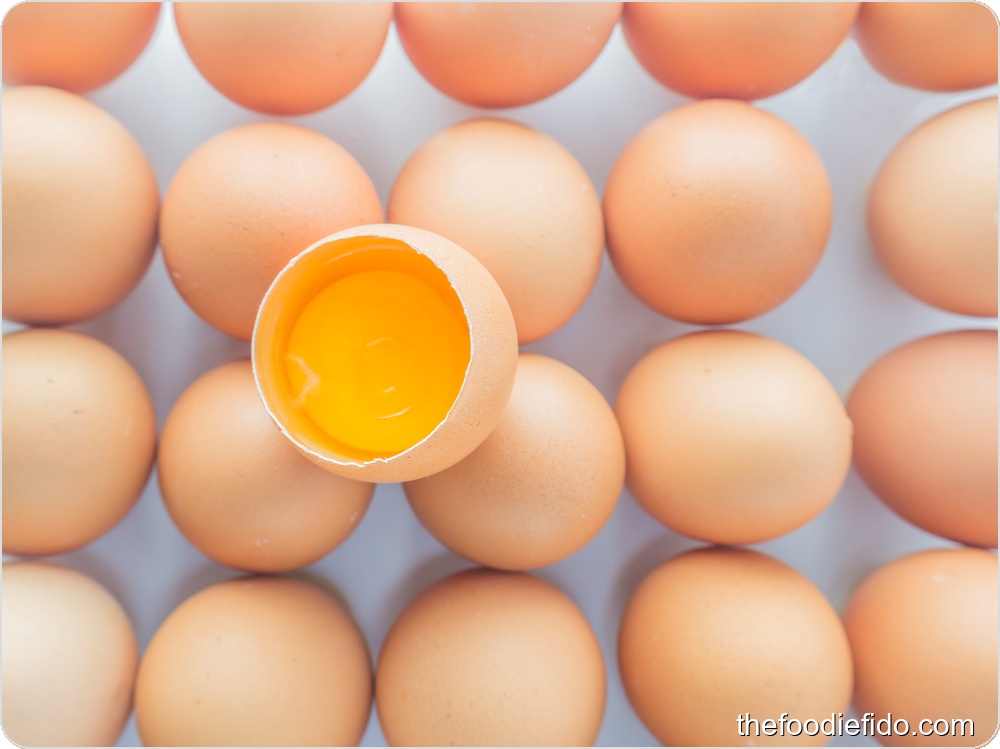
After cracking the egg into a clean bowl, examine the yolk and white. In a fresh egg, the yolk is round and stands up, and the white is thick and surrounds the yolk. Older eggs often have a flatter, more spread-out yolk and a runny, watery white. These textural changes signal loss of freshness and are an easy cue to throw the egg out.
Final checklist
- Use the carton date when available.
- Do the water float test for undated eggs.
- Inspect the shell for dullness or discoloration.
- Trust your nose—any strong sulfur smell means discard.
- Crack into a bowl and check yolk and white consistency before using.
Follow these quick steps and you’ll avoid unpleasant surprises in the kitchen while keeping food safety front of your mind.