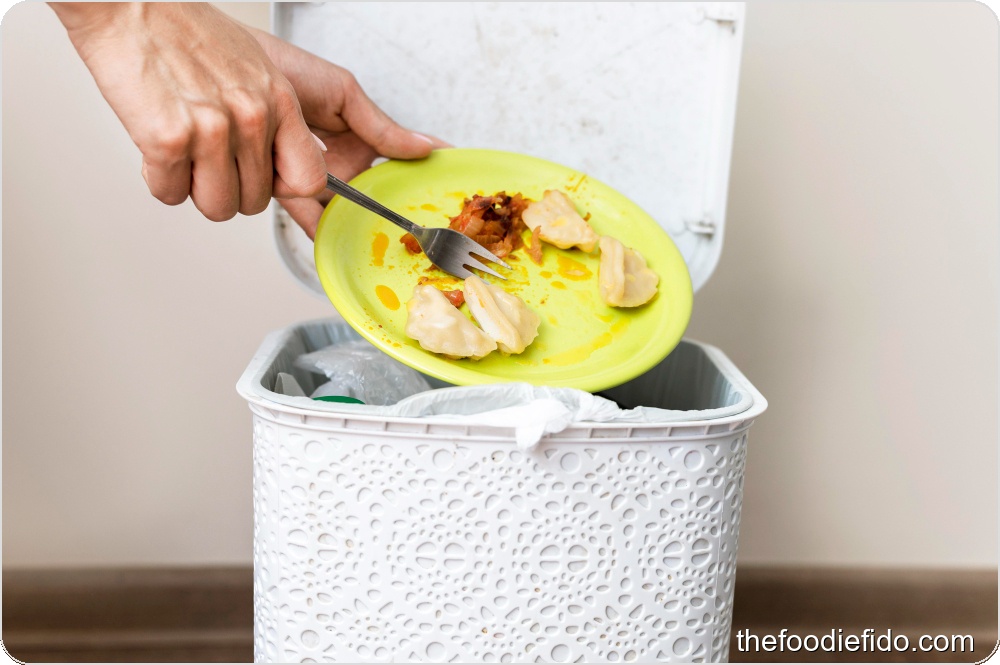
It may feel paradoxical, but household food waste is rising even as grocery prices climb. Official numbers include losses from retailers and restaurants, but families throw away a shocking amount too.
Holidays, parties, and big family get-togethers are common culprits: we buy in bulk and then can’t eat everything. Seasonal produce with short best-by windows adds to the problem, leaving many of us staring at perfectly good food that must be tossed.
When frugality turns into overeating?

Being thrifty can backfire. Shoppers often buy discounted items in quantity because it seems like a smart deal, even when they don’t have a plan to use them. That eight-yogurt pack in the fridge turns into a week of forced consumption before the expiration date. This kind of selective overeating—forcing down one particular item to avoid wasting it—is common, but it’s not great for your health or your relationship with food.
Plan purchases around real needs
Experts recommend planning grocery trips with three things in mind: your household budget, the seasonality of ingredients, and what your coming days actually look like. If you’re working lunches several days in a row, or heading out of town for the weekend, your shopping list should reflect that. A small adjustment now spares you an awkward choice later: eat a bunch of surplus food quickly or throw it away.
Before you leave the house, do a quick inventory of your fridge and pantry. Spot items that are nearing their best-by date so you can build meals around them. That way you avoid impulse buying and make smarter use of what’s already on hand.
Don’t shop on an empty stomach
Research shows shopping while hungry affects buying decisions. When you’re hungry, everything looks more appealing and you’re likelier to add unnecessary items to the cart. A simple, effective defense is to eat before you shop. After a meal you’ll be less tempted to buy sweets, snacks, or extra perishables that might go bad before you can use them.
Make a realistic list and stick to it
Create a shopping list that matches your meal plan for the week. Prioritize ingredients that will be used in multiple dishes and avoid single-use items unless you truly need them. Consider portioning larger packages into family-sized meal components before refrigeration so you can thaw or reheat only what you need.
Use simple storage and rotation tricks
Store produce and leftovers where you can see them. Move items with earlier expiration dates to the front so they get used first. Label containers with the date you cooked or opened them to remove guesswork. Small changes like clear containers and shelf organization make it easier to eat what you have.
Repurpose leftovers creatively
Leftovers don’t have to be boring. Roast vegetables can become a blended soup. Stale bread makes excellent croutons or breadcrumbs. Cooked grains can be tossed into salads or transformed into patties. Thinking of leftovers as ingredients rather than last-chance meals reduces waste and saves money.
Buy seasonal, but be realistic
Seasonal produce is often cheaper and fresher, but it can also come with short windows for eating. If you’re buying a lot of berries, tomatoes, or stone fruit during peak season, plan immediate uses like smoothies, salsas, or quick freezing for later. Freezing is a simple way to extend the life of many fruits and vegetables without losing much flavor or nutrition.
Small habits add up
Tiny changes in how you shop, store, and cook can significantly reduce what you throw away. Simple practices—planning, shopping fed, rotating food in the fridge, labeling leftovers, and repurposing dishes—save money and make meals less wasteful. Start with one habit this week and build from there; the savings and reduced waste will compound quickly.