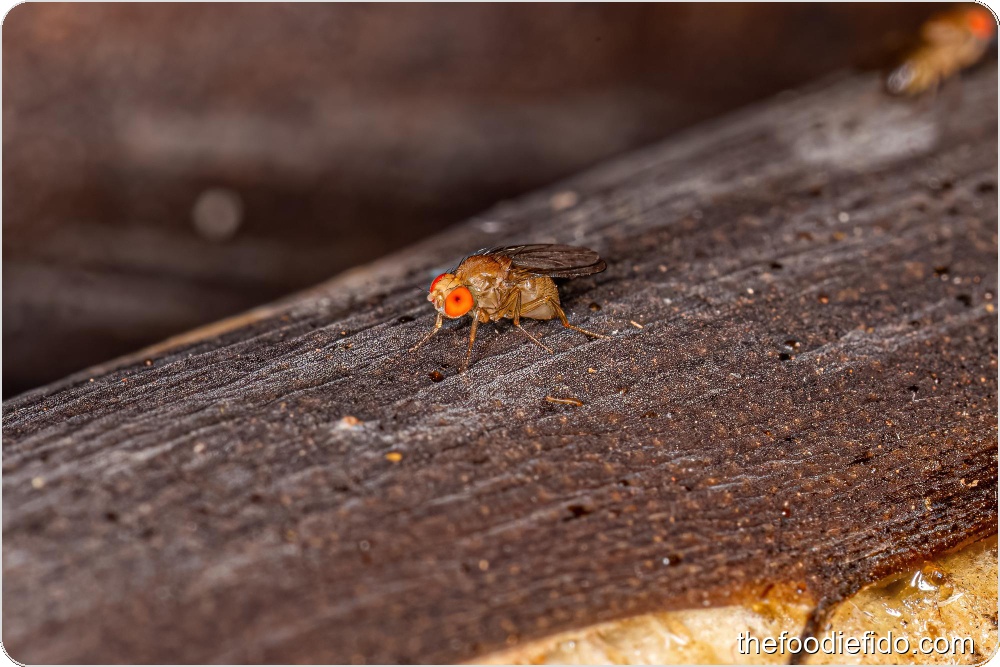
Why fruit flies show up in spring?
As temperatures climb from spring into summer, tiny fruit flies begin appearing in kitchens. They don’t bite people or pets, but they do infest food — especially ripe, fermenting fruit. A single overripe banana can act like an open invitation.
These insects are just 2 to 4 millimeters long and can enter homes on a breeze or hitch a ride on purchased produce that already contains eggs.
What makes them so hard to stop?
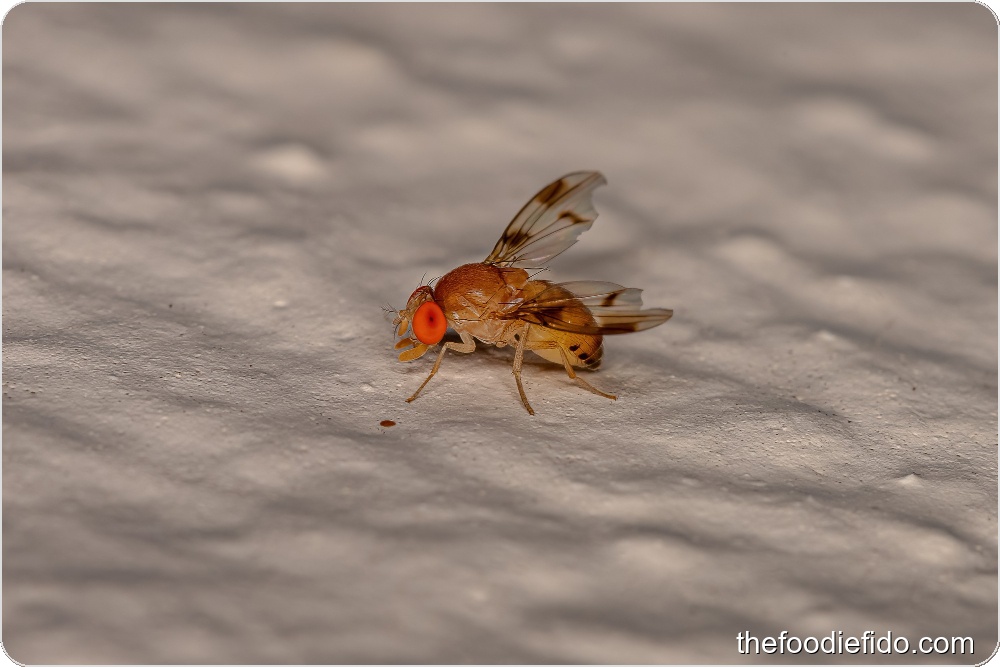
Fruit flies reproduce extremely quickly, which is why seeing even a few should prompt action. Although an individual fly’s lifespan averages about 40 days, their fast breeding cycle can produce large numbers in a short time.
Why you should remove them right away?
Beyond being a nuisance, fruit flies can contaminate food with bacteria, molds, decay and yeast. That contamination makes it important to track down where they’re breeding and remove the source before the infestation grows.
Step 1: Find and eliminate breeding sites
Start by inspecting all fruit and vegetables. Toss any overripe or damaged produce and take out the trash. Pay special attention to compost bins, sink drains, trash cans and recycling containers — these are common breeding grounds. After removing contaminated items, clean surfaces thoroughly and ventilate the room; fruit flies dislike a strong draft.
Step 2: Set traps
Traps can significantly reduce adult fly numbers. You can buy commercial traps or make an effective DIY version: pour some apple cider vinegar mixed with a little sugar into a small jar and add a drop of dish soap. The vinegar attracts the flies and the soap breaks surface tension so they sink.
Additional deterrents
Houseplants can help. Carnivorous plants placed on a kitchen windowsill will catch some flies, and aromatic plants such as mint, lemongrass or eucalyptus can be unappealing to fruit flies when kept near food prep areas.
Prevention is the best defense
Keeping a clean kitchen is the smartest long-term approach. Don’t let fruit overripen or start fermenting on the counter. Store produce appropriately, empty trash and compost regularly, and clean drains and recycling bins so potential breeding sites don’t develop.