
Why you should defrost regularly?
Ice buildup in a refrigerator or freezer isn’t just unsightly. Thick layers of frost reduce usable space, make produce spoil faster, and force the appliance to work harder—raising energy use and wear. Keeping ice under about 0.5 centimeter prevents these problems and helps your fridge last longer.
When to take action?
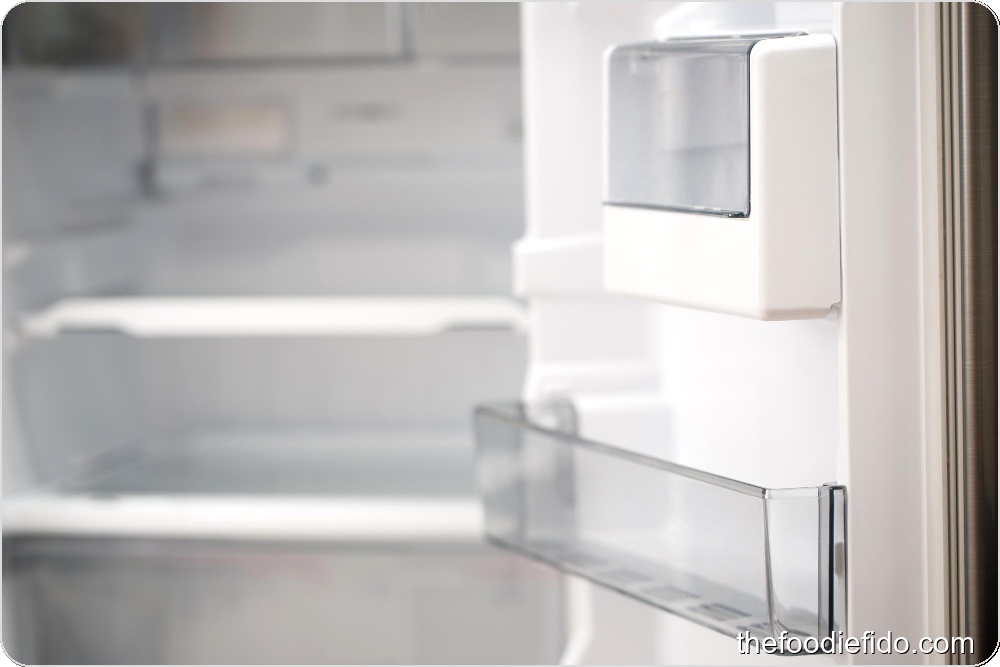
For most households, a twice-yearly defrost is enough. But if ice reaches 1 centimeter or more anywhere in the compartment, defrost immediately. If you can choose the timing, spring or winter is easiest. Cold outdoor air means you can temporarily store food outside a window without risking spoilage while you work.
Method 1: Hot water in pans (gentle and effective)
Unplug the appliance and remove all food. Boil water and pour it into a heatproof pot, then place the pot inside the fridge and another inside the freezer compartment. As the steam and warm air loosen frost, swap the cooled pots for fresh hot water. Repeat until the ice is gone. This approach typically completes defrosting in about 30 to 40 minutes, depending on how much ice has formed.
Important: let the warm air do the work. Do not pour boiling water directly on the refrigerator walls—that can damage seals and interior finishes.
Method 2: Use a hair dryer for speed
If you need the job done faster, a regular hair dryer will get the ice out more quickly. Start at the top of the compartment and work downward so melting water runs away from electrical components. With steady drying you can clear heavy frost in roughly 15 to 20 minutes.
After defrosting by either method, wipe the interior clean, plug the appliance back in, and return the food. You should be frost-free for about six months if you keep an eye on buildup.
Final tips
- Always unplug before you begin.
- Move food to a cold spot if defrosting will take more than a few minutes.
- Never use sharp tools to chip away ice; you can puncture the interior or refrigerant lines.