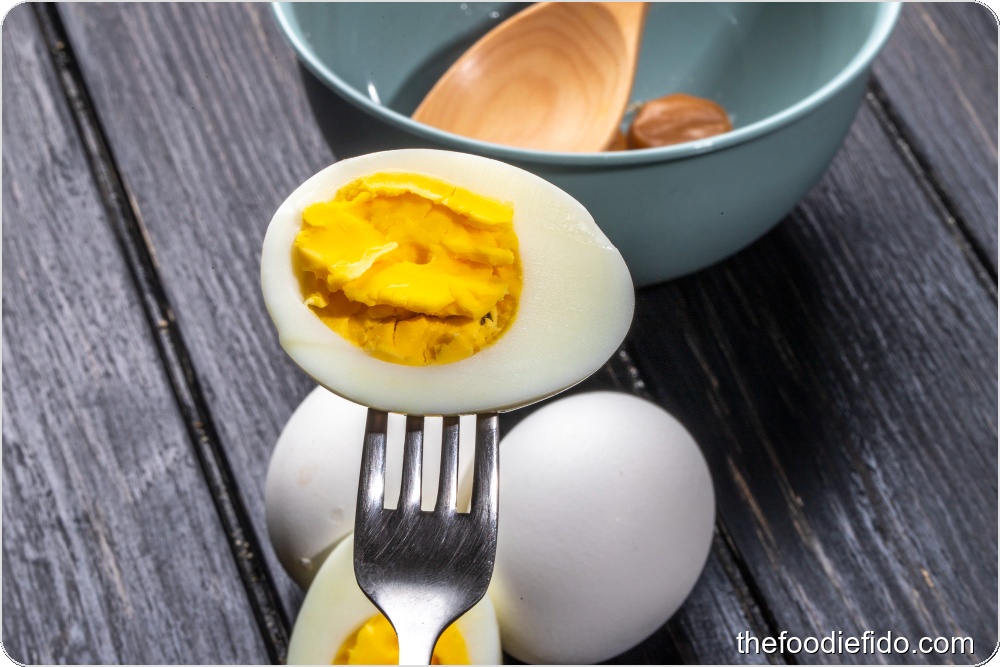
Start with the freshest eggs you can find
Begin with good ingredients. Fresh eggs taste better and are usually easier to peel. Look for eggs with intact, firm shells without cracks or damage. Because fresh eggs have higher protein density, they hold together better during cooking and are less likely to fall apart when you peel them.
Timing is everything
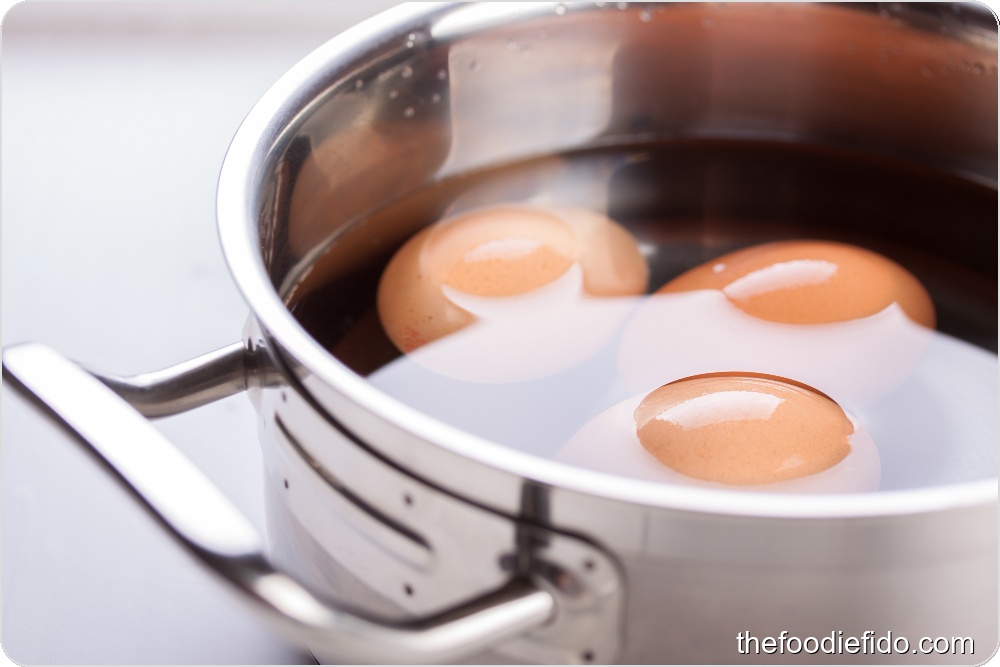
Cooking time determines the texture. Once the water reaches a full boil, measure your time from that moment, not from when you drop the eggs in.
Use these guidelines as a starting point: 4 to 5 minutes for very soft, runny yolks; 7 to 8 minutes for medium-set yolks; and 10 to 12 minutes for fully hard-cooked yolks. Remember that egg size and the starting water temperature can shift those windows slightly, so tweak the minutes until you get the result you prefer.
Cool quickly and peel with confidence
Right after cooking, move eggs into cold water or run them under cold tap water to stop the cooking process and lower the internal temperature. Rapid cooling also makes peeling easier.
To peel, tap and roll an egg on a hard surface to crack the shell and help separate it from the inner membrane. Some cooks add a splash of vinegar or a pinch of salt to the boiling water, which can make peeling simpler for some batches.
Try other techniques and flavor twists
Boiling isn’t the only way to enjoy eggs. Bake them, pan-fry them, or turn them into omelets and Eggs Benedict. Each method gives you a different texture and eating experience.
Small additions can change flavor and appearance: stir herbs into the finished yolk, season simply with salt and pepper, or experiment with adding herbs or aromatics to the cooking water. Creativity in the kitchen is an easy way to discover how versatile eggs can be.