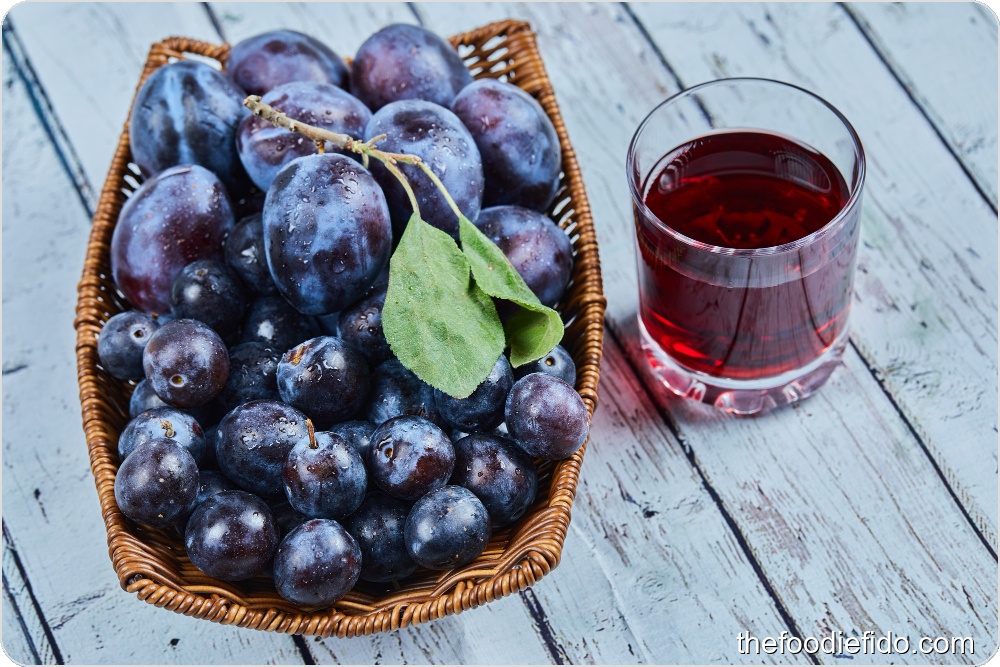
Dried plums are a tasty, nutrient-dense snack and a smart alternative to candy. Beyond snacking, they can be used in simple home remedies and recipes.
Dried plums help regulate digestion. They are among the most effective natural remedies for constipation because they contain both fiber and sorbitol.
Research suggests dried plums may support bone health and could help prevent or delay the onset of osteoporosis.
High potassium content in dried plums can contribute to lower blood pressure, which is why they are often recommended for people with hypertension.
They may also have positive effects on the nervous system, support weight management by promoting satiety, and deliver antioxidants that offer anti-cancer benefits and support healthy skin.
Dried plums are rich in vitamin A, beta-carotene, potassium, calcium, phosphorus, and magnesium.
How to make simple dried plum (prune) juice at home?
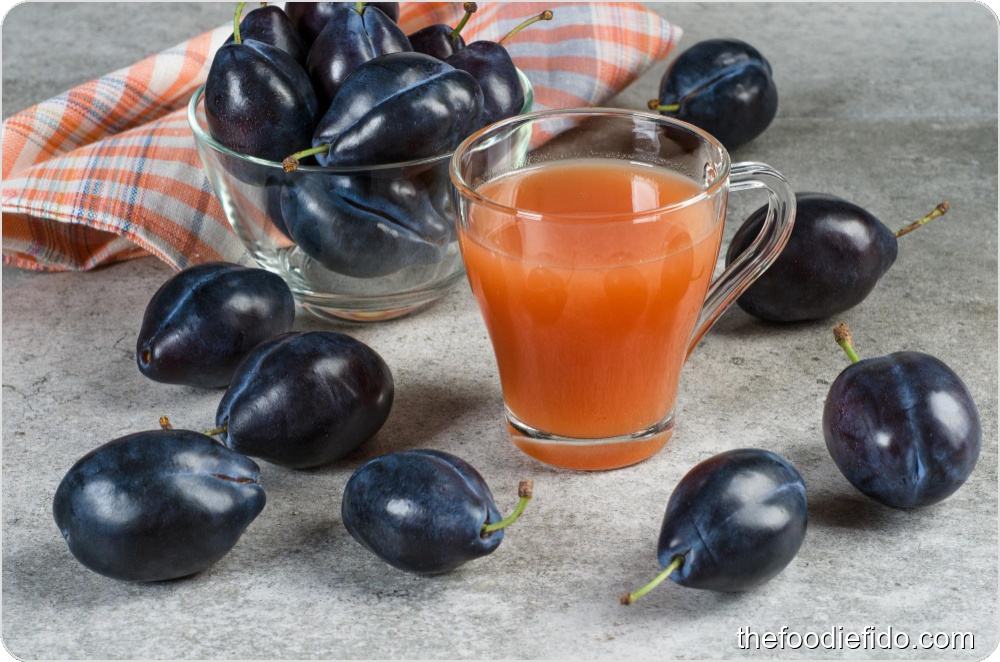
Making homemade dried-plum juice is easy. You only need several dried plums and boiling water.
Remove pits from six or seven large dried plums if they still have them, then chop the fruits into smaller pieces. Place the pieces in a container and pour in two cups of boiling water. When the water has fully cooled, seal the container and refrigerate it for 24 hours.
After 24 hours, blend the mixture. If the consistency is too thick, add more boiled (cooled) water.
Drink one to two glasses daily, ideally in the morning on an empty stomach. The juice will keep in the refrigerator for seven days.
This plum juice is most helpful for people looking to regulate bowel function. It is a well-known and effective home remedy for constipation.