Dishwasher Jobs: Typical Duties, Where to Look, and What to Check
Learn what restaurant dishwashers commonly do, where to find dishwasher job information in the United States, and what to review before pursuing a position.
Dishwasher Jobs: Typical Duties, Where to Look, and What to Check
Dishwasher roles support the daily operation of restaurants, cafeterias, hotels, and other food-service kitchens. This guide explains the work these positions may involve, where to find job information, and which details to review before pursuing an opportunity.
What a Dishwasher Usually Does
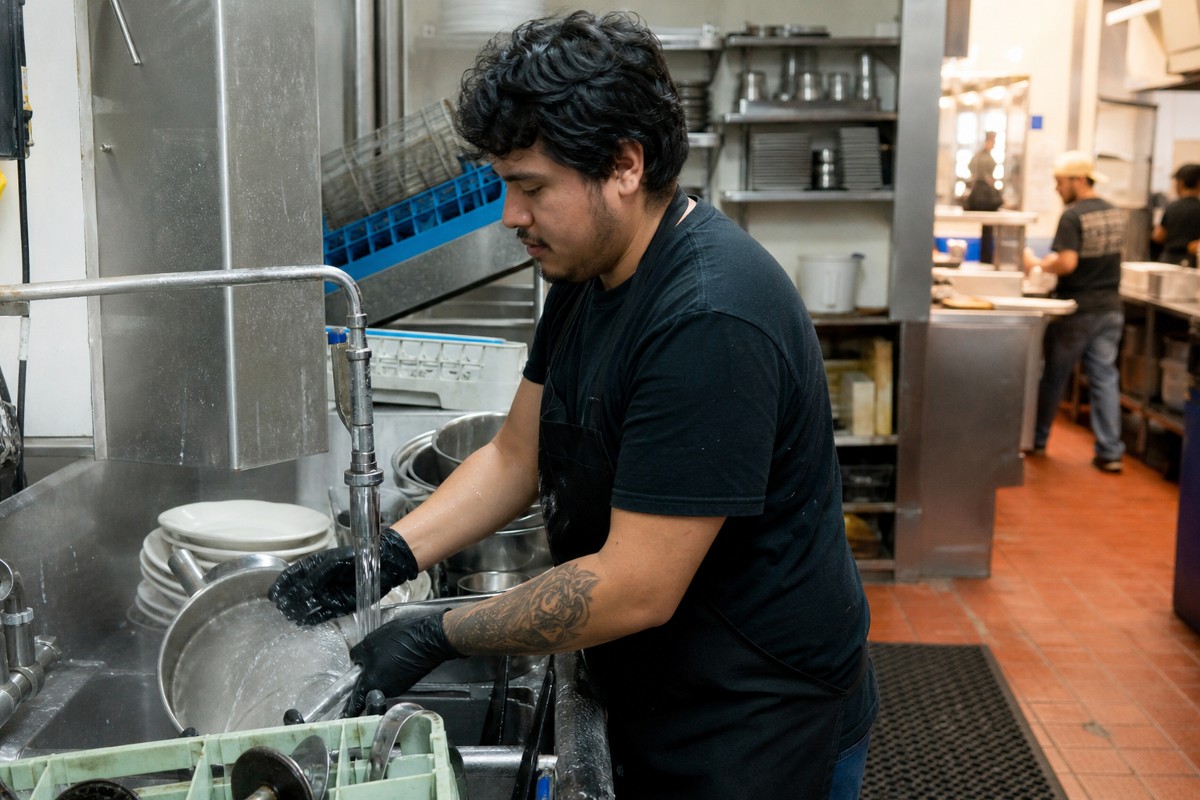
The central responsibility is keeping dishes, utensils, cookware, and food-service equipment clean and ready for use. Depending on the workplace, common tasks may include:
- Collecting, scraping, rinsing, and sorting dirty items.
- Loading and unloading commercial dishwashing equipment.
- Washing pots, pans, knives, or delicate items by hand when required.
- Checking items for remaining food or residue.
- Returning clean dishes and utensils to designated storage areas.
- Keeping sinks, racks, drains, and the surrounding work area orderly.
Specific procedures vary by kitchen. Employers should explain equipment operation, sanitation practices, and the proper handling of sharp or hot items.
Related Cleaning and Kitchen Tasks
Dishwasher work often includes general cleaning within the dish area or back of the kitchen. A worker may empty trash, break down cardboard, wipe surfaces, sweep or mop floors, clean floor mats, and organize supplies.
Some positions combine dishwashing with kitchen porter, utility, or basic food-preparation duties. Review the job description carefully and ask which tasks are regular responsibilities rather than assuming that every dishwasher position is the same.
Where to Find Dishwasher Job Information
General job boards can be useful for comparing descriptions and schedules. Restaurant groups, hotels, hospitals, schools, senior living communities, event venues, and contract food-service providers may also publish opportunities on their own career pages.
Other possible sources include hospitality staffing services, local workforce centers, community employment organizations, and direct inquiries with nearby food-service businesses. When searching, use a city or broad local area and consider related titles such as kitchen utility worker, steward, dish machine operator, or kitchen porter.
Confirm that a listing is current, identifies the employer or staffing organization, and provides clear information about the workplace. Job availability can change, so details should be verified with the organization responsible for the listing.
What to Review Before Pursuing a Position
Read the full description rather than relying only on the job title. Important points to check include:
- The workplace address and available transportation options.
- Starting and ending times for each shift.
- Expected weekly hours and whether the schedule may change.
- Weekend, holiday, early-morning, or late-night expectations.
- Standing, lifting, reaching, and repetitive-motion requirements.
- Uniform, footwear, and personal protective equipment rules.
- Whether meals, food preparation, trash handling, or closing duties are included.
If details are unclear, ask how schedules are assigned, what training is provided, who supervises the dish area, and which duties are performed most often.
Safety and Physical Considerations
Dish rooms may contain wet floors, hot water, steam, sharp utensils, heavy racks, and cleaning products. Workers may stand for extended periods and repeat the same motions throughout a shift.
Follow training and posted procedures, wear required slip-resistant footwear or protective equipment, keep walkways clear, and report leaks, spills, broken glass, or damaged equipment. Handle knives and hot cookware according to workplace instructions. Never combine cleaning chemicals unless the employer's approved instructions specifically permit it.
How to Evaluate a Listing
A useful listing should identify the employer or staffing organization, describe the main duties, state where the work takes place, and explain how candidates can express interest. Compare the written description with information provided during any conversation or interview.
Be cautious if someone requests payment to access a job, sends payment and asks you to return part of it, requests sensitive personal information unusually early, or cannot clearly explain the employer, location, schedule, and duties. Verify who you are communicating with before sharing documents.
Preparing for the Next Step
Prepare a short work history that highlights reliability, cleaning experience, teamwork, safe equipment use, or experience in a fast-paced setting. If you have not worked as a dishwasher before, examples from custodial, food-service, warehouse, or household responsibilities may still help explain relevant skills.
Before pursuing a position, make sure its location, schedule, physical expectations, and full set of duties fit your circumstances. Clear information about these basics makes it easier to compare dishwasher roles without relying on the job title alone.