Understanding Early Signs of Breast Cancer
Breast cancer can be a daunting topic, but understanding its early signs is crucial for timely intervention. Always consult a healthcare professional for personalized advice and diagnosis.
Changes in Breast Appearance
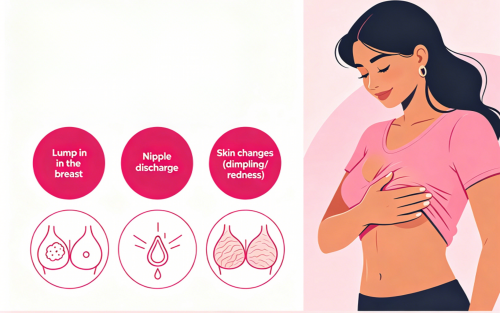
One of the early signs of breast cancer can be noticeable changes in the appearance of the breast. This might include alterations in size or shape that are not related to the menstrual cycle. Such changes may occur due to the growth of a tumor or other underlying conditions.
In some instances, the skin on the breast may also show dimpling or puckering. This can resemble the texture of an orange peel, known medically as peau d'orange. It's essential to monitor these changes and consult with a healthcare provider for a thorough examination.
Development of Lumps or Masses
The presence of lumps or masses in the breast tissue is a common early indicator of potential breast cancer. These lumps are often hard and irregularly shaped, and they may not cause pain. However, not all lumps are cancerous; some may be benign cysts or fibrocystic changes.
Regular self-examinations can help in detecting any unusual lumps early. It is advisable for individuals to become familiar with the normal feel of their breasts so they can notice any changes. A healthcare professional can provide guidance on how to perform these exams effectively.
Nipple Changes
Changes in the nipple, such as inversion or retraction, can be an early sign of breast cancer. The nipple may also exhibit unusual discharge, which can be clear, bloody, or another color. These symptoms warrant medical attention to rule out cancer or diagnose it early.
In some cases, the skin around the nipple may become scaly, red, or swollen, which could indicate a condition known as Paget's disease of the breast. This condition is rare but associated with underlying breast cancer, highlighting the importance of early detection and diagnosis.
Persistent Breast Pain
While breast pain is common and often related to hormonal changes, persistent or unusual pain can be an early sign of breast cancer. This pain may not be associated with the menstrual cycle and could feel more intense or localized in one area.
It's essential to communicate any persistent breast pain to a healthcare provider, who can evaluate the symptoms in context and determine if further testing is necessary. Early detection remains key in managing and treating breast conditions effectively.
Swelling in the Armpit or Collarbone
Swelling or lumps in the armpit or collarbone area can occur in the early stages of breast cancer. This may indicate that the cancer has spread to the lymph nodes, which are part of the body's lymphatic system and play a crucial role in immune function.
Such swelling can be subtle and might not cause pain initially. Regular checks for unusual swellings during self-examinations are important. If any changes are detected, seeking a medical evaluation can help in early diagnosis and treatment planning.