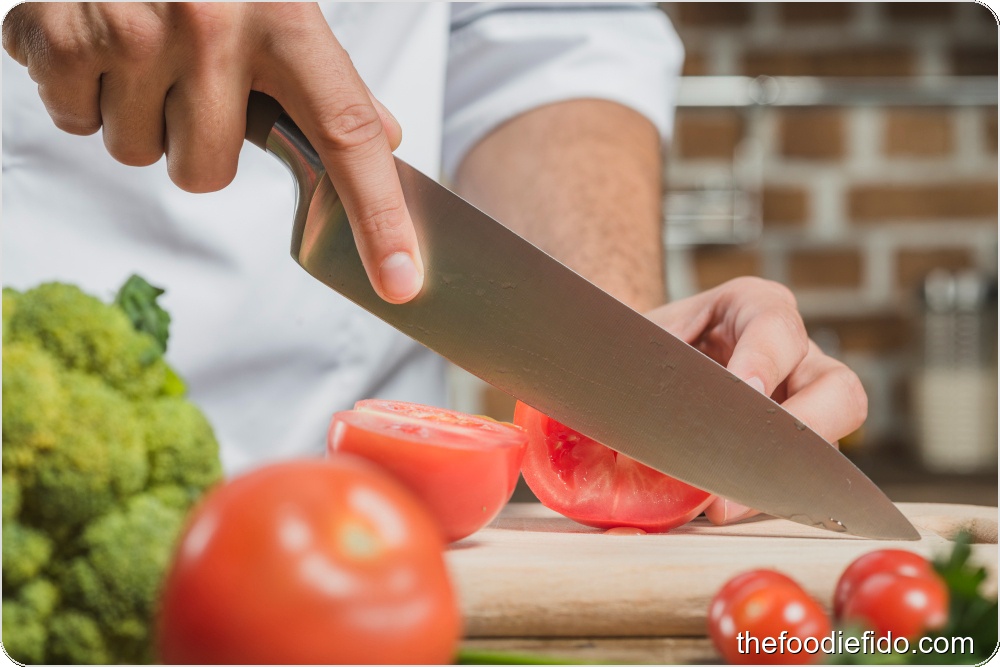
Why a Good Knife Matters?
A quality kitchen knife is one of the few tools you really need to cook well. Cheap, poorly made knives make prep a chore and slow you down. Investing in at least one reliable blade will make slicing, dicing, and chopping easier, safer, and more enjoyable.
Match the Knife to the Task
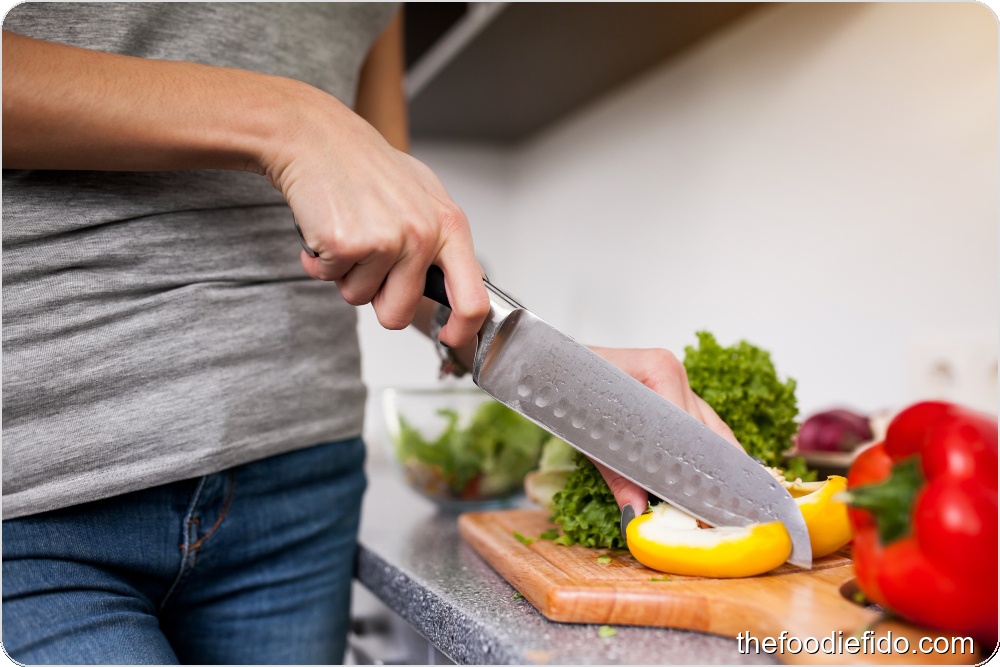
Think about what you do most in the kitchen before you buy. A chef’s knife with a longer blade is the workhorse for most home cooks, handling everything from veg to larger cuts of meat. A utility or santoku-style knife is great for everyday slicing and smaller jobs. Specialty blades—bread knives, boning knives, and paring knives—are designed for specific tasks and can be added as your needs grow.
Blade Materials and Handle Comfort
The blade material affects performance and maintenance. Stainless steel is common, resists corrosion, and can hold a good edge with modest care. High-carbon steels tend to be harder and keep a sharper edge longer but require more attention to prevent staining and rust. Choose a blade based on how much upkeep you want to commit to.
Equally important is the handle. Look for an ergonomic design that fits your hand, provides a secure grip, and reduces fatigue during longer prep sessions.
Blade Length and Balance
Blade length changes how the knife feels and what it’s best for. Longer blades make quick work of big roasts and large vegetables. Shorter blades give you more control for precise peeling, trimming, and delicate work. Balance is another critical factor: a well-balanced knife sits comfortably between blade and handle, improving control and reducing wrist strain.
Keep the Edge Sharp
A sharp knife is safer and more efficient. Some knives are ground single-bevel for particular culinary styles, but most Western-style kitchen knives are double-bevel. Regular sharpening is necessary to maintain a keen edge.
There are several sharpening tools and methods: pull-through sharpeners, whetstones, and electric sharpeners. Each can work well when used correctly. Learn the proper angle and technique for your blade so you can sharpen it safely and effectively.
Final Picks and Practical Tips
Start with one high-quality chef’s knife and add a utility or paring knife as needed. Pay attention to blade steel, handle ergonomics, and how the knife balances in your hand. Commit to regular maintenance so your knives stay sharp and last for years.