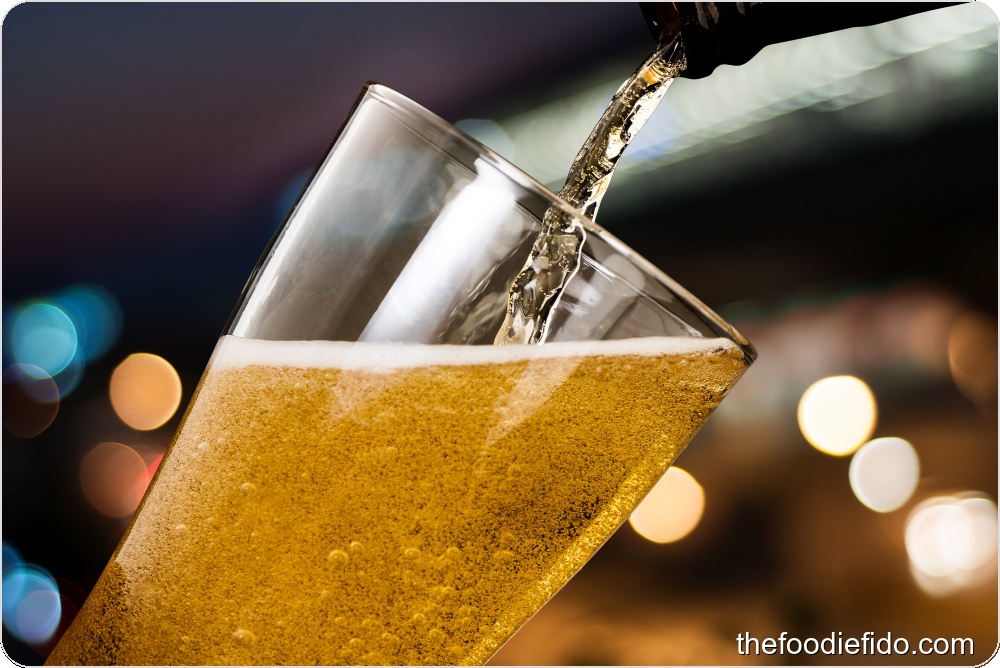
I’ve spent my whole life behind a bar serving the same neighborhood crowd. Regulars sit in the same seats, order the same beers, and expect the same pour they’ve come to trust. So when a young representative from a brewery tells me I should change how I pour, my first reaction is skepticism. I’ve used my method for decades and customers have been happy with it. There’s no urgent need to change just because something is fashionable in larger cities.
What Is the New Trend, Anyway?
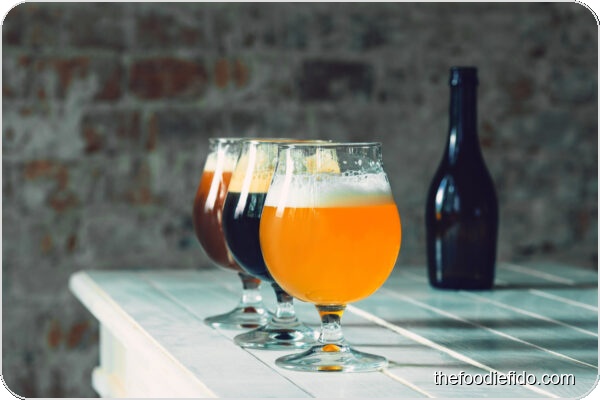
The trend people talk about is called hladinka. It’s basically a one-pour beer with a big, moist head that sits on top of the liquid. Sometimes the glass looks like it’s mostly foam, and to some it can appear slightly watered down because the head is so abundant. Bars and breweries in Prague and other big cities are embracing it, but from my point of view it’s hard to keep the right volume of beer and maintain consistent flavor when you rely on a single pour that produces so much foam.
Other Names You Might Hear
There are other local expressions you’ll encounter, like snyt and mliko. I know these terms and what customers mean when they ask for them, but they don’t come up often where I work.
When someone asks for a snyt, I serve a small beer the classic way I always have. Mliko refers to a very foamy extraction, and honestly, that is not my standard technique. I’ll try to serve it if a customer insists, but it’s not my specialty and I can’t promise it will match what they expect from places that focus on that style.
My Three-Step Pour
My trusted approach is a three-step pour. First I build a solid head that covers about half the glass. I let that foam settle down so the glass can accept more liquid without overflowing. Then I top off with beer to fill the glass to the right level. Finally, I add a thin finishing layer of foam on top. This may sound simple, but it takes attention and timing. The result is consistent taste and a satisfying presentation that regulars appreciate.
How I Care for My Glasses?
Glass care is part of the ritual and as important as the pouring technique itself. I wash glasses carefully to remove any soap residue or grease, chill them when appropriate, and give them a quick rinse right before pouring. I do not pour from a great height and I don’t leave beer sitting exposed in the glass; both practices can ruin carbonation and flavor. These small details preserve the beer’s character and protect the experience I want to deliver.
Why I’m Not Rushing to Adopt Hladinka?
Trends come and go. Hladinka might be fashionable now, but I’ve built relationships with my patrons and a routine that keeps them satisfied. Changing my technique across the board would risk disrupting what people expect. If a customer prefers the hladinka style, I’ll do my best to accommodate, but I won’t guarantee the exact mouthfeel or volume they might get at a place that specializes in that single-pour method. For most guests, the steady, three-step pour is the safest choice.
Practical Advice for Home and Bar
If you pour at home or run a local bar, focus on consistency and the basics: clean glassware, the right temperature, and controlled pouring. Think of styles like hladinka as options to offer rather than a wholesale replacement of a method that already satisfies your regulars. Experiment deliberately, practice the technique until you can reproduce the desired foam and volume, and be ready to explain to patrons what to expect. In the end, your customers will tell you whether they prefer the new trend or your trusted classic.