Sorting trash for recycling or proper disposal is a basic part of living sustainably, but for many people it feels like an added chore. The barriers range from not knowing what goes where to a lack of curbside options. This piece walks through the most common obstacles and offers practical solutions that communities and individuals can use to make recycling easier.
Not enough information
A top reason people don’t recycle is simply not understanding why it matters or how to do it correctly. Many folks underestimate the long-term environmental consequences of tossing everything in the same bin and miss the benefits recycling brings for conserving resources and reducing landfill use.
Addressing that gap starts with clear education. Local campaigns, community events, and school programs can make recycling feel relevant and actionable. City governments and environmental organizations have an important role to play in sharing straightforward guidance on what materials are recyclable, how to clean and sort them, and where to drop them off.
Convenience wins
For most people, convenience is the deciding factor. If it’s easier to throw all waste into one bag than to separate recyclables, that’s what they’ll do. Recycling systems that require extra time, travel, or guesswork simply don’t compete with the path of least resistance.
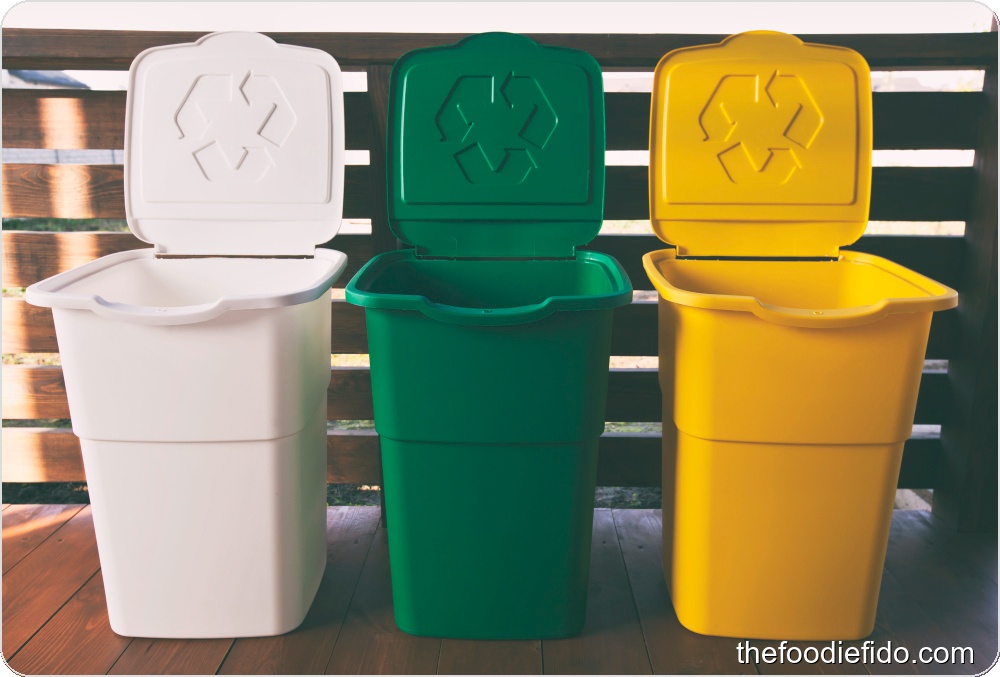
Practical fixes are low-effort changes that remove friction. Clear, color-coded bins and simple signage make the right choice obvious. Curbside pickup for separated materials saves a trip and adds consistency. Incentives also help: reduced waste-collection fees, deposit-return programs, or small tax breaks can nudge behavior without demanding much effort from residents.
Insufficient infrastructure
Even motivated people can be blocked by a lack of infrastructure. If neighborhoods don’t have nearby recycling containers, drop-off points, or reliable collection services, residents may feel the effort isn’t worth it.
Municipal investment in waste-management systems is essential. That means establishing more recycling centers and drop-off locations, making collection routes regular and dependable, and ensuring materials are actually processed rather than landfilled. When access is universal and predictable, participation rises.
Simple household strategies that help
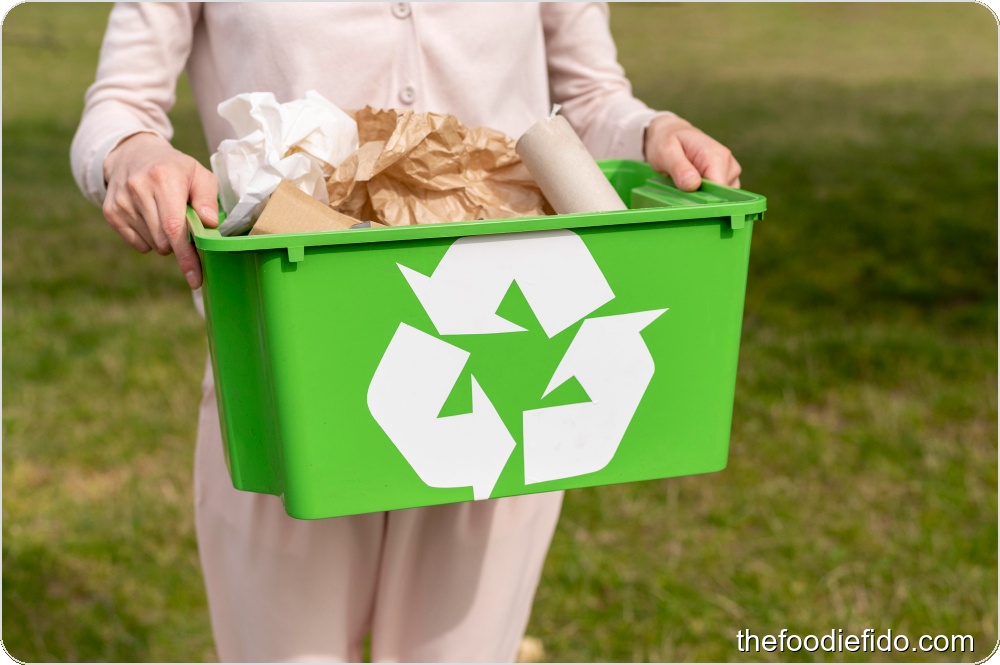
On the individual level, a few adjustments make recycling habitual instead of burdensome. Keep a small bin or tote by the kitchen counter or under the sink for rinsed cans, bottles, paper, and plastic. Transfer recyclables to larger containers on collection day so sorting doesn’t pile up.
Label bins in shared spaces and teach household members what can be recycled. A short cheat sheet on the fridge that lists common items and any local quirks goes a long way toward reducing confusion.
Community-level approaches that move the needle
Local leaders can combine education, incentives, and improved access to create momentum. Host neighborhood swap events or repair cafes to emphasize reuse. Partner with schools to build recycling literacy from a young age. Pilot incentive programs where households that recycle correctly receive a discount on waste collection or other small rewards.
Public-private partnerships can also expand capacity: community groups and businesses can sponsor collection points or fund outreach campaigns. That shared investment lowers the cost burden on municipalities and boosts visibility.
Why it’s worth the effort?
When communities remove barriers and make recycling straightforward, more people participate. The cumulative effect is significant: fewer materials in landfills, fewer resources extracted to make new products, and lower greenhouse gas emissions from waste processing. Practical changes at both the household and municipal levels add up.
Recycling won’t be perfect overnight, but straightforward steps—clear information, convenient systems, predictable infrastructure, and small incentives—turn a difficult habit into an everyday routine. That’s the kind of progress that pays off for neighborhoods and the planet.