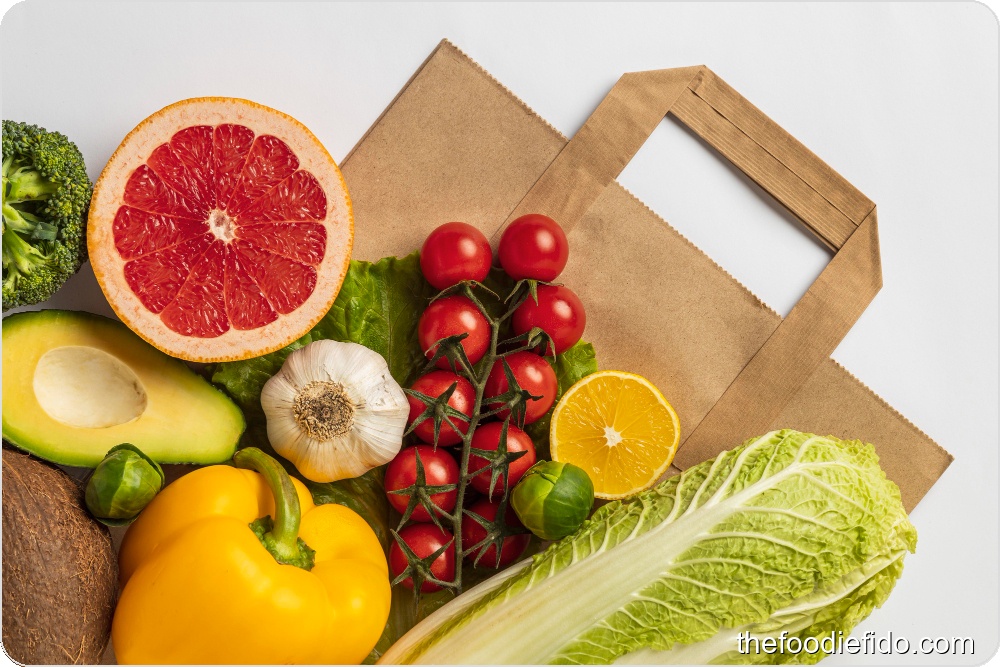
We eat food, but we also throw away a surprising amount of it. That waste is avoidable and often comes down to habits: buying too much, poor storage, or simply overlooking what’s already in the fridge. With a few straightforward adjustments to planning, storage and portioning, you can reduce waste, save money and get more out of the food you buy.
Start with smarter shopping
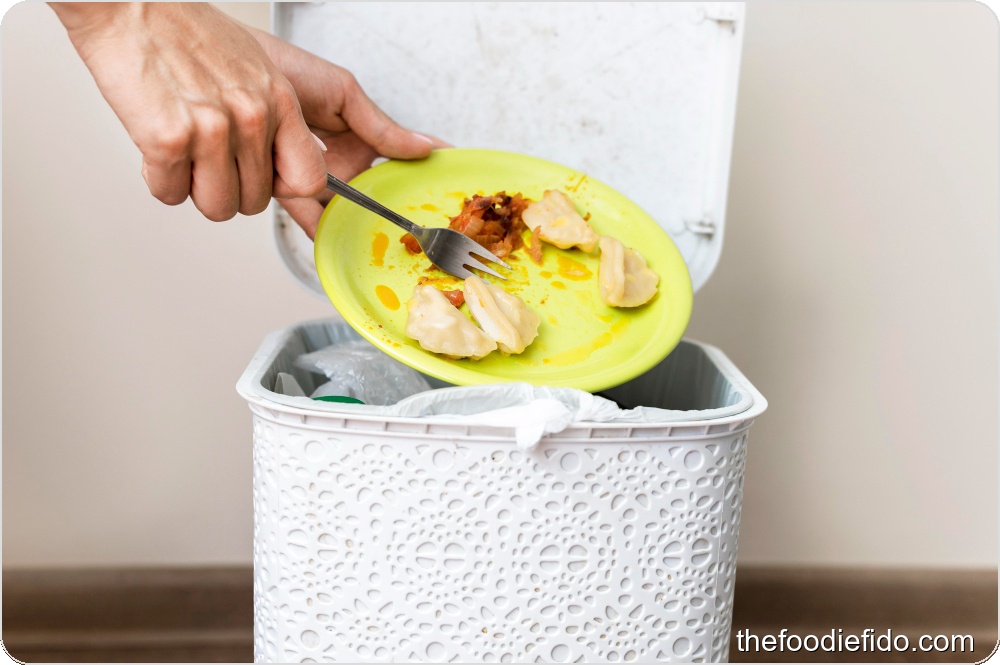
The easiest place to cut waste is before the groceries even enter your home. Plan your meals for the week and build a shopping list from that plan. A list prevents impulse buys that often end up forgotten and wasted.
Check your pantry and fridge before you go so you do not buy duplicates of what you already have. When you shop, scan expiration dates and choose items you will realistically eat before they go bad.
Keep your meal plan flexible. Even the best-laid plans change, so have versatile staples on hand—canned beans, pasta, rice and a range of fresh vegetables—that can be adapted into different recipes if your schedule shifts.
Store food so it lasts longer
Proper storage makes a huge difference. Learn which foods belong in the refrigerator and which keep better at room temperature. Organizing your fridge so older items are in front encourages rotation and helps you see what needs to be used first.
Simple steps like using airtight containers for leftovers, keeping herbs wrapped in damp paper towels, and storing produce in the crisper drawers appropriate for its humidity needs will extend freshness and reduce spoilage.
Portion and repurpose leftovers
Cooking the right amount matters. Overestimating portions leads to extra food that may not get eaten. If you do have leftovers, plan for them. Store individual portions in clear containers so they are easy to reheat for lunches or quick dinners.
Be creative with scraps and leftovers. Cooked vegetables can become soup, stir-ins for salads, or a side for the next meal. Leftover grains and proteins are perfect for bowls, fried rice, or wraps. If you truly cannot eat something within a few days, freeze it for later use.
Understand the dates on food labels
Not all dates mean the same thing. “Best by” or “best before” dates indicate quality—not safety. Many dry goods like pasta, rice, canned foods and some packaged baked items may be perfectly fine to eat after the printed date if they have been stored properly. Always check for signs of spoilage such as off smells, discoloration or visible mold before consuming.
By contrast, a “use by” or “consume by” date is about safety. Foods that spoil quickly—fresh meat, fish, certain dairy products and ready-to-eat meals—should not be eaten past that date because of the risk of bacterial contamination. When in doubt, throw it out.
Make it practical for your household
Tackle food waste with simple routines. Schedule one night a week to eat leftovers. Label containers with dates so you know how long something has been stored. Keep a running list of what’s in your freezer and pantry so nothing gets buried and forgotten.
Share excess with family or friends if you have more than you can eat, or freeze it for future meals. Small changes—planning, sensible shopping, proper storage and creative use of leftovers—add up quickly and make a noticeable dent in the food you throw away.
Final takeaways
Reducing food waste starts at the store and continues in your kitchen. Plan meals, shop with a list, organize your fridge, portion sensibly, and be inventive with leftovers. Know the difference between labels that indicate quality and those that indicate safety and act accordingly.
These practical habits help you waste less, eat better, and keep more of your grocery budget where it belongs.