Why steam cooking works?
Steaming keeps food moist, preserves texture, and protects delicate nutrients better than many other methods. It doesn’t submerge ingredients in water or expose them to direct high heat, so flavors stay clean and food stays tender.
What equipment you actually need?
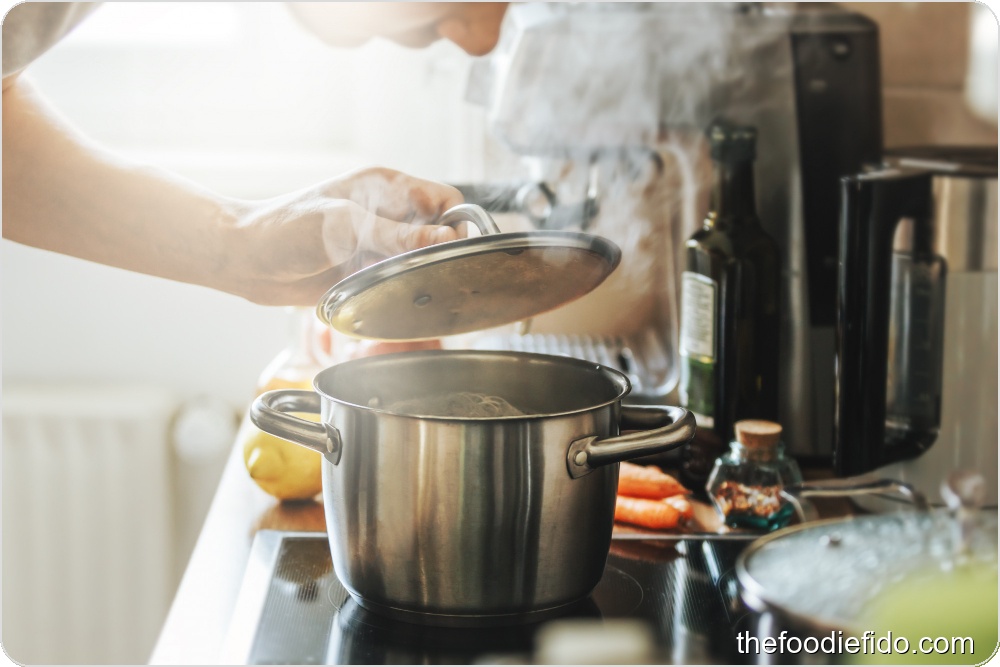
You don’t need fancy gadgets. Start with a deep pot, a wok, or a deep skillet that fits what you want to cook. The container must be large enough to hold a bowl or plate with the food, while leaving room beneath for water.
Place about an inch or two of water in the bottom of the pot. The water should never touch the food. You want steam to do the work, not boiling water.
Use any heatproof insert to hold the food above the water: an inverted bowl, a deep plate, or a round steaming rack all work. Finish with a tight-fitting lid to keep the steam inside. That’s it—simple, efficient steaming.
What to steam and how it performs?
Steam works for a wide variety of ingredients, and it generally produces healthier results than frying or heavy sauteing.
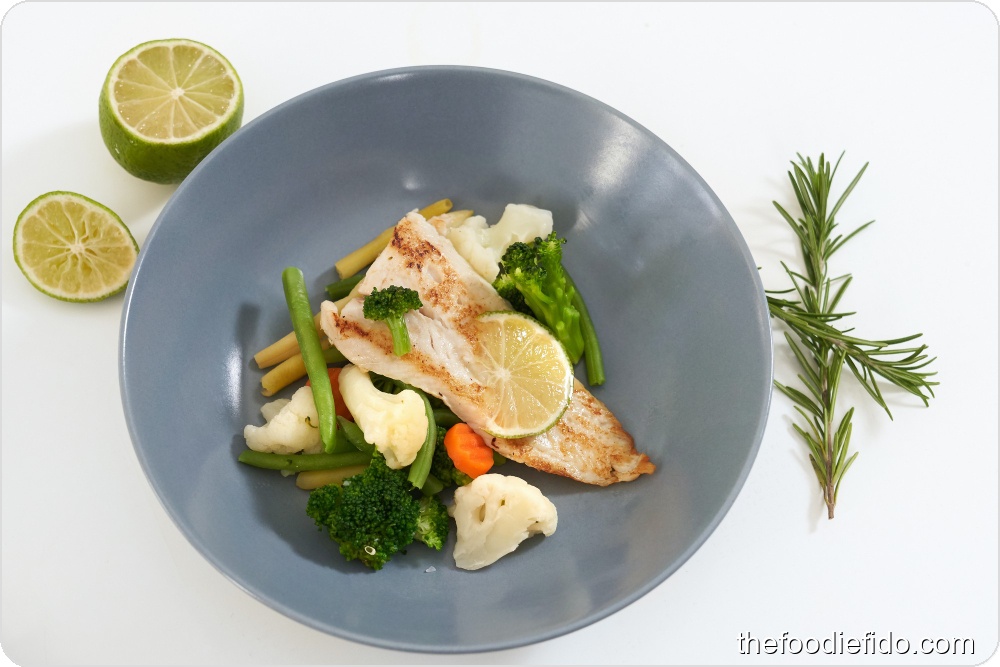
Vegetables are an obvious win: broccoli, carrots, green beans, asparagus, and cauliflower all steam beautifully. They keep their color and texture while avoiding excess fat.
Fish is another ideal candidate. Steaming preserves the fragile flesh of trout, tilapia, cod, and salmon, yielding flaky, delicate fillets without overcooking.
Grains like basmati and jasmine rice also benefit from steam. Cooked gently, they turn out light and tender.
Eggs can be steamed soft or hard—learn the timing for your preferred doneness. And if you like Chinese cuisine, classic steamed dumplings are easy to make at home using the same method.
Quick tips for success
Make sure the pot lid fits snugly so steam stays trapped. Monitor water level during longer cooks and add more hot water if needed. Arrange food in a single layer when possible for even steaming. For stronger flavor, season food lightly before steaming or add aromatics like herbs, slices of ginger, or citrus to the water below.