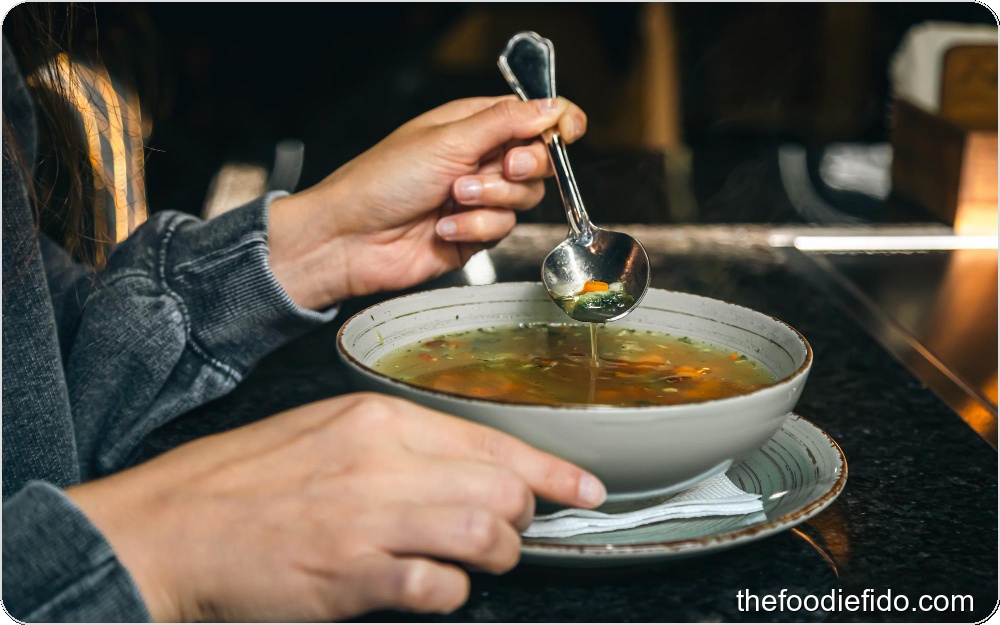
Start by deciding what you’ll use to make the broth so it reaches the right quality. Choose fresh ingredients for meat, bones, and vegetables. Local sourcing is best when possible.
Know the origin of the bones. Some bones can contain heavy metals that leach into the broth during long cooking. If you use contaminated bones, the result can be a soup with elevated levels of toxins instead of a healthful dish.
Don’t make broth a daily staple. A varied diet is healthier, so serving broth about once a week at home is ideal. Also, discard the vegetables used to make the broth rather than eating them afterward.
Risky for people with liver, pancreas, gallbladder, or kidney issues
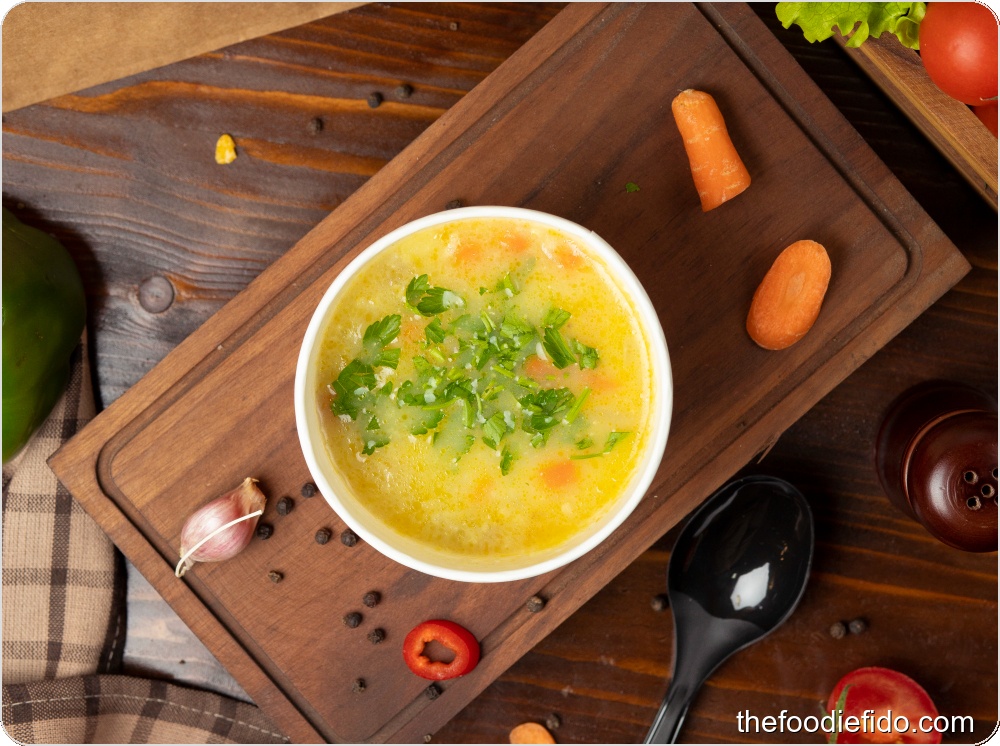
Broth is often recommended as restorative during colds or flu, but what helps one person can be inappropriate for another. This is especially true of bone-based broths.
People with liver disease, bile duct problems, pancreatic conditions, or kidney stones should avoid consuming such broths. Even a tasty chicken soup can trigger problems like constipation or headaches in sensitive individuals.
The longer bones simmer, the more histamine builds up in the broth. Histamine is a compound that can drive allergic-type reactions. Many people are sensitive to histamine and may develop symptoms such as itchy skin and rashes, headaches, anxiety, diarrhea, and abdominal pain after consuming high-histamine broths.
For these reasons, bone broth is not recommended for very young infants. Avoid giving it to babies who have not yet reached about 7 to 8 months of age.