
Bananas with spots and brown patches often end up in the trash even though they are perfectly edible. Their peel may not look pretty, but the fruit inside is safe to eat and, according to researchers, packed with vitamins and minerals. Overripe bananas also make delicious baked goods and smoothies, so next time you see them marked down, consider grabbing a bunch.
Ripe, not green: why the sweetest fruit can be healthiest?
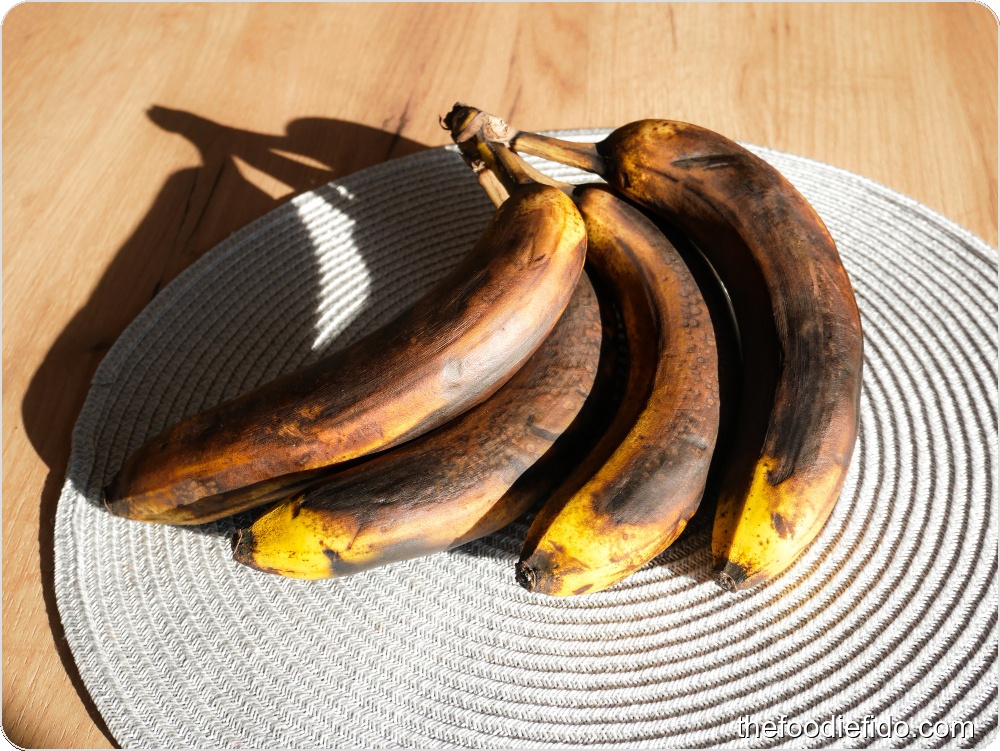
Green bananas are usually the most expensive in stores, plain yellow ones carry a standard price, and the spotted or brown-skinned fruit is often sold at a discount. Experts advise choosing the latter. You save money, and you get fruit full of beneficial compounds. The ripest bananas are sweeter and deliver broad health effects, supporting protection against atherosclerosis, heart attack, and stroke.
Yellow-brown bananas contain pectins, a class of polysaccharides, plus vitamins A, C, E, K, and several B vitamins. They also provide minerals such as iron, calcium, magnesium, and phosphorus.
Good for blood pressure, digestion, and vision
Bananas are a convenient on-the-go snack for school or work, and they help balance blood pressure by reducing vascular tension. They also aid in lowering high cholesterol and, with regular intake, improve the microbiome in the large intestine. Bananas help cleanse the digestive tract of toxins and can be soothing for ulcers and reflux.
Experts note that daily consumption of yellow bananas is appropriate for people with anemia and may benefit those with poor vision. The carotenoids and antioxidants in ripe bananas support eye health and can lower the risk of glaucoma and cataracts.
Riper bananas may have anticancer effects
Japanese researchers report that darker, riper bananas can be healthier and may possess anticancer properties. Because ripe fruit is easier to digest, eating these bananas may also increase white blood cell counts. Very sweet, heavily browned pieces can be less appealing to some, but they work well mashed into baked goods, blended in smoothies, churned into ice cream, or used in banana bread.
One caution: bananas are not ideal for people with diabetes because they have a high glycemic index.