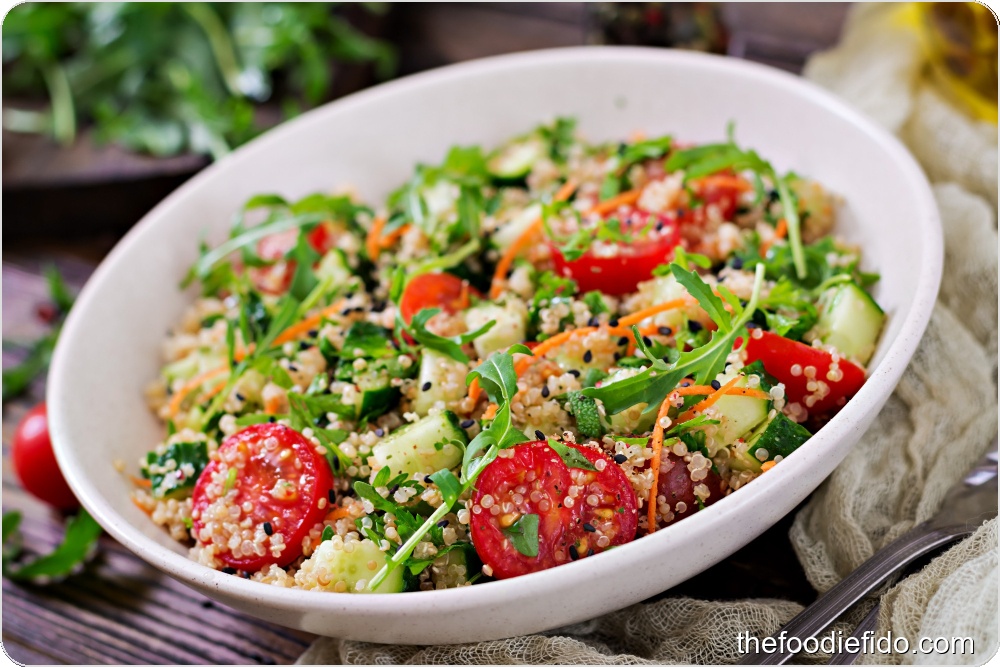
Quinoa has been valued for its health benefits for centuries. The ancient Incas recognized their advantages long ago, while Europe only started paying serious attention recently. That late arrival is no reason to overlook it today.
Small, rice- or oat-like seeds, quinoa is an annual plant native to South America that prefers high elevations and warm conditions. Scientists consider it one of the world’s oldest cultivated crops. Versatile in the kitchen, quinoa is nutrient-dense enough to be called a superfood.
Nutritional profile at a glance
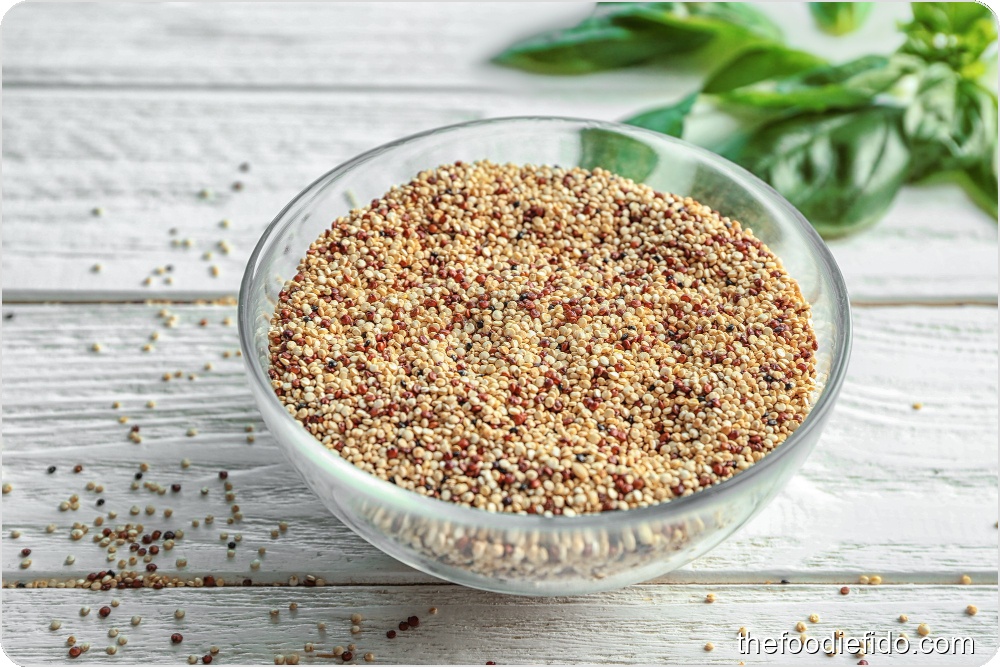
A cup of cooked quinoa, about 185 grams, contains roughly 220 calories. That modest calorie count makes it a good option for people watching their weight.
Cooked quinoa has a surprisingly low glycemic index of about 35. Because of that, it’s a smart choice for people with diabetes, insulin resistance, or obesity. Regularly eating quinoa can help keep blood sugar steady, promote longer-lasting satiety, and reduce cravings for sweets.
What’s inside a serving?
Those 220 calories are packed with nutrients. In a 185-gram serving, you’ll find roughly 39 grams of complex carbohydrates, including up to 5 grams of fiber; about 8 grams of protein; and roughly 4 grams of fat. Quinoa also contributes folate, vitamin E, and vitamin B6.
It contains all essential amino acids and delivers important minerals such as magnesium, phosphorus, manganese, copper, iron, potassium, zinc, selenium, and calcium.
Health effects and precautions
Quinoa has anti-inflammatory properties and contains flavonoids with antioxidant, anti-inflammatory, and even anticancer activity.
However, it can have an effect on blood clotting and interfere with the absorption of certain compounds. Thoroughly rinsing quinoa before cooking reduces these issues for most people.