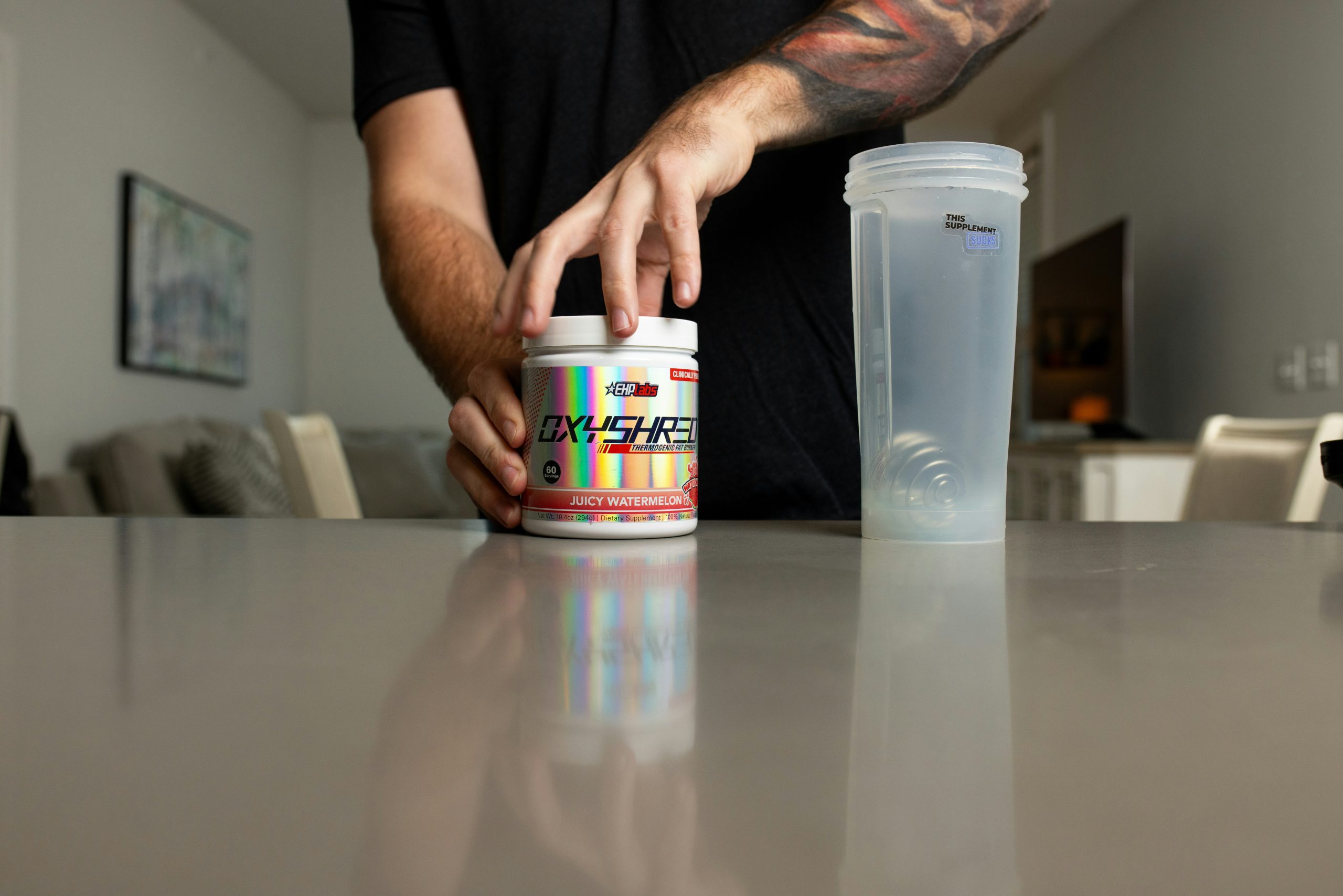
Protein is not a magic fix that instantly builds muscle or melts fat, but it helps support these goals. It is a potent source that assists with weight loss and muscle development.
Quality proteins supply valuable fractions that may support immunity. Let’s examine which protein is best for weight loss and what advantages its use provides.
What is protein?
Protein is a leading dietary supplement, widely used by power athletes and active people. A cornerstone of sports nutrition is whey protein, prized for its superior quality and strong amino acid profile. These amino acids are essential for muscle repair and growth, boost immunity, and maintain general health.
Protein supplements are mostly derived from milk, beef, soy, eggs, and other protein-rich foods. The source determines the amino acid profile and how the body digests and uses the protein.
Protein is commonly available as a soluble powder, which is used in protein shakes and foods like ready-to-drink beverages, bars, cookies, chips, and chocolate.
5 reasons why it makes sense to use protein for weight loss
A balanced diet should deliver all vital nutrients. High-quality protein ensures sufficient intake, making weight loss goals more attainable. Here’s how protein directly aids fat reduction.
1. Satiate more than carbohydrates and fats
Proteins have the highest satiating power among macronutrients. As a result, you often eat less and feel fuller. This curbs cravings for sweets and can naturally lower daily calorie intake, making weight loss easier.
2. They reduce the constant craving for something good
Protein affects hormones related to hunger and fullness. For instance, it lowers ghrelin, the “hunger hormone.” Elevated ghrelin leaves you unsatisfied, even after large meals. Sufficient protein intake manages cravings and supports satiety.
3. They promote the growth and protection of muscle mass from its burning into energy
Protein is crucial for muscle growth—without it, muscle building is impossible. Its importance rises during weight loss, as adequate intake shields muscle from being burned for fuel.
Combining protein intake with strength training further ensures muscle is preserved during weight loss.
4. By digesting them, you burn the most calories of all macronutrients
Protein has a unique thermic effect on energy intake, which means it allows for higher calorie burn during digestion.
Of all macronutrients, protein produces the highest thermic effect—about 20-30%, depending on type. Out of 100 kcal, you absorb 70-80 kcal; the remainder is expended processing protein. This increases energy expenditure and supports a calorie deficit.
5. Promote fat burning
More protein can increase fat loss and help maintain weight by supporting muscle, which burns more calories.
In addition to supporting weight loss, protein has several other valuable effects in the diet.
Protein supplements are dense in protein and low in fat and carbohydrates. The exact values depend on the protein type and product formula.
Quality proteins contain all important amino acids, including branched-chain amino acids (BCAA). BCAAs are a group of three essential amino acids—leucine, isoleucine, and valine—that your body cannot make and must obtain through food or supplements.
These amino acids are especially important for muscle health. The intake of all essential amino acids is important for overall health, immunity, and muscle growth and regeneration.
Protein supplements help track intake precisely. Protein content appears on labels or online. One scoop typically contains 20-25 g of protein.
Protein is useful after workouts or whenever extra intake is required. It quickens muscle recovery and supplies the raw material needed for repair and growth. After exercise, mix it with water for rapid absorption. You can also add it to shakes with fruit, oats, or peanut butter for a nutrient-rich meal.
Drink protein with water post-workout for rapid absorption; use milk during the day for better flavour. Add to desserts or cereals to boost protein and balance meals. Plain protein can also enrich pizza dough.
Protein comes in many flavours to enhance the taste of pancakes, porridge, or other dishes.
Ideal protein for weight loss
Quality proteins have minimal ingredients, led by the main protein source like whey, soy, or pea concentrate or isolate. Flavours, colours, and sweeteners (such as sucralose or stevia) follow.
Some proteins are enriched with vitamins, minerals, or digestive enzymes. Others include fat burners like L-carnitine or CLA. Choose products with minimal fat, sugar, and fillers—emphasise high protein content.
Proteins are made from milk, eggs, or soy. Which is better?
Twenty amino acids exist; eight are essential and must be consumed daily because the human body cannot make them. These amino acids support muscle growth and many vital functions, including immunity. Choose a protein with all essential amino acids, or combine types to cover the full spectrum.
1. Whey protein
Whey protein is a top seller, derived from milk and noted for high protein bioavailability. Its comprehensive essential amino acid profile gives it top biological value.
You can meet him in 3 forms:
- Whey concentrate (WPC) contains 70-80% rapidly absorbed protein. It’s affordable and delivers solid quality.
- Whey isolate (WPI) is at least 80% protein, often 85-95%. This highly purified form is low in fat and lactose, making it suitable for those with lactose intolerance.
- Whey hydrolysate (WPH) digests fastest, aiding quicker recovery. Ideal for those needing rapid muscle repair.
- With high-quality protein and a full amino acid profile, whey is favoured by athletes and people seeking weight loss.
2. Micellar casein
Micellar casein, also from cow’s milk, digests slowly—sometimes lasting up to 7 hours—providing a steady flow of amino acids. Its prolonged satiety aids weight loss.
Due to its slow digestion, casein is known as a night protein. Use it during overnight fasting or extended meal gaps; it serves as a sustaining snack.
3. Beef protein
Beef protein is typically hydrolysed and provides over 90% protein, promoting easy digestion. Its effects on weight loss remain less researched than milk proteins, but it’s a solid option for those avoiding milk protein.
4. Egg protein
Protein from egg white also delivers high-quality protein with minimal sugar and fat. Though it digests more slowly than whey, it has an excellent amino acid profile and is among the most valued sources. It’s regularly included in the diets of those aiming to lose weight. Like beef protein, it’s also suitable for those intolerant to milk protein.
5. Multicomponent protein
Animal and plant-based multicomponent proteins are common. Animal blends often combine whey concentrate, isolate, and hydrolysate for improved properties. In plant proteins, combinations enhance the amino acid profile.
6. Vegetable proteins
Plant-based proteins are a strong option for anyone avoiding animal protein. However, some lack all essential amino acids in optimal amounts. Expect lower protein content and inferior bioavailability compared to animal proteins. To achieve results comparable to whey, a higher dose is required—often just under two scoops. This provides the target 10-12 grams of essential amino acids.
When choosing a plant protein, select soy, pea, hemp, or rice protein and combine them as needed. Rice and hemp, for example, are best paired with pea to compensate for low leucine and certain essential amino acids.
Is whey or vegetable protein better for weight loss?
The best protein for weight loss maximises quality protein with an optimal amino acid profile. It should contain no unnecessary additives.
Considering these factors, whey isolate can be recommended as the top choice for weight loss.
Whey concentrate or hydrolysate is an additional top choice. Milk protein remains the most researched for weight loss and muscle gain.
In case of poor tolerance of milk protein or exclusion of animal protein from the diet, we can recommend egg or high-quality vegetable protein.
How to use proteins?
Take protein 1-2 times daily in doses of 20-40 g. Consume before or after workouts for best results. Use it during the day to replenish protein as needed. You can easily mix it into morning porridge, shakes, or pancakes.
What do you get out of it?
If you’re aiming to lose weight, ensure adequate protein intake. This helps you manage your calorie deficit crucial for weight loss. Hitting protein targets is often difficult during dieting.
High-quality protein helps. It offers a concentrated source with minimal fat or sugar. A single serving typically contains about 120 kcal, efficiently boosting protein for minimal calories.